

Key Takeaways
Start here
The Basics: Why Car Insurance Exists
Next
The Main Types of Car Insurance Coverage
Build knowledge
Key Policy Terms You Need to Know
Watch out for gaps
What Car Insurance Typically Does Not Cover
Apply it
How to Read and Compare Policies
The Basics: Why Car Insurance Exists
Car insurance is a contract between you and an insurer: you pay a regular premium, and in return the insurer agrees to cover certain financial losses related to your vehicle. Its primary purpose is to protect you - and others - from costs that would otherwise be unmanageable, such as a serious accident involving injuries or significant property damage.
In the U.S., carrying at least a minimum level of car insurance is a legal requirement in almost every state. However, the mandatory minimums are often low enough that they may not fully cover a serious accident. Understanding what you are actually buying - not just what you are legally required to have - is the foundation of smart car ownership. Insurance is also a significant recurring expense; for context, see how it fits into the broader picture of annual car ownership costs.
Premium
The regular payment you make to keep your insurance policy active - typically billed monthly, semi-annually, or annually.
Deductible
The fixed amount you pay out of pocket on a claim before your insurer covers the rest. Choosing a higher deductible usually lowers your premium.
Liability coverage
Insurance that pays for damage or injuries you cause to other people and their property. It does not cover your own vehicle or injuries.
Comprehensive coverage
Coverage for damage to your own vehicle from events other than collisions - such as theft, weather, or fire.
Coverage limit
The maximum amount your insurer will pay for a covered claim. Costs above this limit become your financial responsibility.
Exclusion
A specific situation or type of damage listed in the policy that the insurer will not pay for under any circumstance.
The Main Types of Car Insurance Coverage
Most U.S. auto policies are built from several distinct coverage types, which can be combined to suit your situation.
- Liability coverage - Required in nearly all states, this pays for damage or injury you cause to other people in an at-fault accident. It does not pay for your own vehicle or your own medical bills.
- Collision coverage - Pays to repair or replace your own vehicle after a collision with another car or object, regardless of fault. Typically optional but may be required if you have a car loan or lease.
- Comprehensive coverage - Covers non-collision damage to your vehicle: theft, vandalism, fire, flooding, hail, and animal strikes. Also usually optional but often required by lenders.
- Uninsured/Underinsured Motorist (UM/UIM) - Protects you if you are hit by a driver who has no insurance or insufficient coverage to pay for your damages.
- Personal Injury Protection (PIP) / Medical Payments (MedPay) - Covers medical expenses for you and your passengers after an accident, regardless of who was at fault. Required in some states.
Deciding which combination is right for you depends on your vehicle's value, your financial situation, and your state's rules. For a closer look at the trade-offs between levels of protection, see our guide on comprehensive vs. third-party car insurance.
Match Coverage to Your Vehicle's Value
If your car is older and has a low market value, paying for comprehensive and collision coverage may cost more annually than the insurer would pay if the car were totaled. A general rule of thumb: if your annual premium for those coverages exceeds 10% of your vehicle's current value, it may be worth reassessing. A licensed insurance agent can help you run the numbers.
Key Policy Terms You Need to Know
Insurance documents have their own vocabulary. These are the terms that most directly affect what you pay and what you receive.
- Premium
- The amount you pay for coverage - monthly, semi-annually, or annually.
- Deductible
- The out-of-pocket amount you pay on a claim before insurance covers the rest. A $500 deductible on a $2,000 repair means you pay $500; the insurer pays $1,500.
- Coverage limit
- The maximum dollar amount your insurer will pay per claim or per policy period. Any costs above this limit are your responsibility.
- No-claims discount
- A reduction in your premium for each consecutive year you do not file a claim. Accumulated discounts can be reduced if you file a claim.
- Endorsement (or rider)
- An add-on that modifies your standard policy - for example, adding roadside assistance or gap coverage.
Liability Limits Are Written as Three Numbers
You will often see liability limits expressed as three numbers separated by slashes - for example, 25/50/25. These represent (in thousands of dollars): the per-person bodily injury limit, the per-accident bodily injury limit, and the property damage limit. State minimums are typically well below what a serious accident can cost, so many drivers choose higher limits for greater financial protection.
What Car Insurance Typically Does Not Cover
Exclusions are just as important as coverage - they define the limits of your policy. Common items not covered by standard auto insurance include:
- Mechanical breakdown and wear and tear - Insurance covers sudden, unexpected losses, not gradual deterioration or mechanical failure. Brakes wearing down or an engine reaching the end of its life are not covered.
- Personal belongings inside the vehicle - A laptop stolen from your car is typically covered under homeowners or renters insurance, not auto insurance.
- Using your vehicle for rideshare or commercial delivery - Standard personal auto policies generally exclude losses that occur while driving for hire. Rideshare endorsements or commercial policies fill this gap.
- Intentional damage - No policy will cover damage you deliberately cause to your own vehicle or another person's property.
- Racing or track use - Damage sustained on a racetrack or during an organized speed event is almost universally excluded.
Never Assume You Are Covered - Read the Exclusions
A common and costly mistake is assuming that because you have insurance, any accident or loss will be covered. Policies always contain exclusions, and insurers will deny claims that fall outside covered scenarios. Before a loss occurs, take 15 minutes to read your exclusions section so there are no surprises when you need to file a claim.
How to Read and Compare Policies
When reviewing any car insurance policy, focus on four areas: the declarations page, the coverage sections, the exclusions, and the conditions.
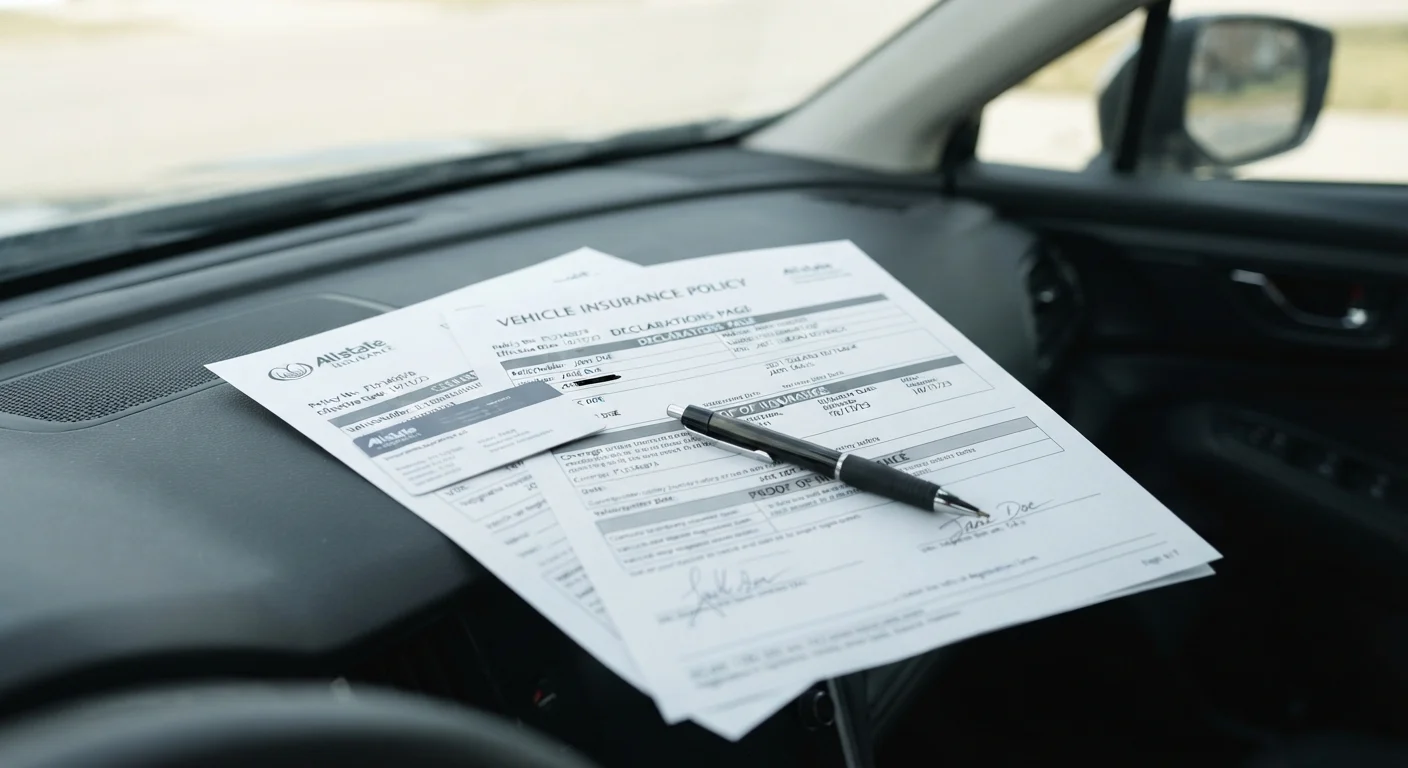
The declarations page (often called the "dec page") summarizes your coverage types, limits, deductibles, and premium in one place. It's the quickest way to confirm what you've purchased. The coverage sections explain in detail what each type of coverage pays for. The exclusions section - frequently overlooked - lists scenarios the policy will not cover. The conditions section outlines your obligations: reporting accidents promptly, cooperating with investigations, and maintaining accurate information.
When comparing quotes, match identical coverage types and limits across policies rather than comparing premiums alone. A lower premium that comes with a higher deductible or lower liability limits may leave you more exposed financially. If you are curious how insurance policy literacy compares to other types of coverage, reading about what travel insurance actually covers offers a useful parallel perspective on reading exclusions carefully.
This article is for general informational purposes only and does not constitute personalized insurance or financial advice. Coverage types, requirements, and policy terms vary by state and insurer. Consult a licensed insurance professional for guidance specific to your situation.