

Key Takeaways
Annual Wellness Exam
An annual wellness exam is a scheduled, head-to-tail physical evaluation performed by a licensed veterinarian on a healthy pet — not in response to illness. The goal is to detect early signs of disease, update preventive care, and establish a health baseline that helps catch changes year over year. Most veterinarians recommend at least one exam per year for adult pets and more frequent visits for puppies, kittens, and senior animals.
Vets use the term 'preventive care visit' interchangeably with 'wellness exam'; both describe the same proactive, non-emergency appointment structure.
What a Wellness Exam Actually Involves
Many pet owners assume a routine vet visit is mainly about vaccines. In reality, the physical examination itself is the centerpiece — vaccines are just one component of a broader assessment. A typical wellness visit runs 20 to 40 minutes and follows a structured, systematic format.
The vet begins with a head-to-tail physical exam, evaluating:
- Eyes and ears — checking for discharge, infection, or early signs of disease
- Mouth and teeth — dental disease is one of the most common and underdiagnosed conditions in pets
- Skin and coat — looking for parasites, irritation, lumps, or unusual hair loss
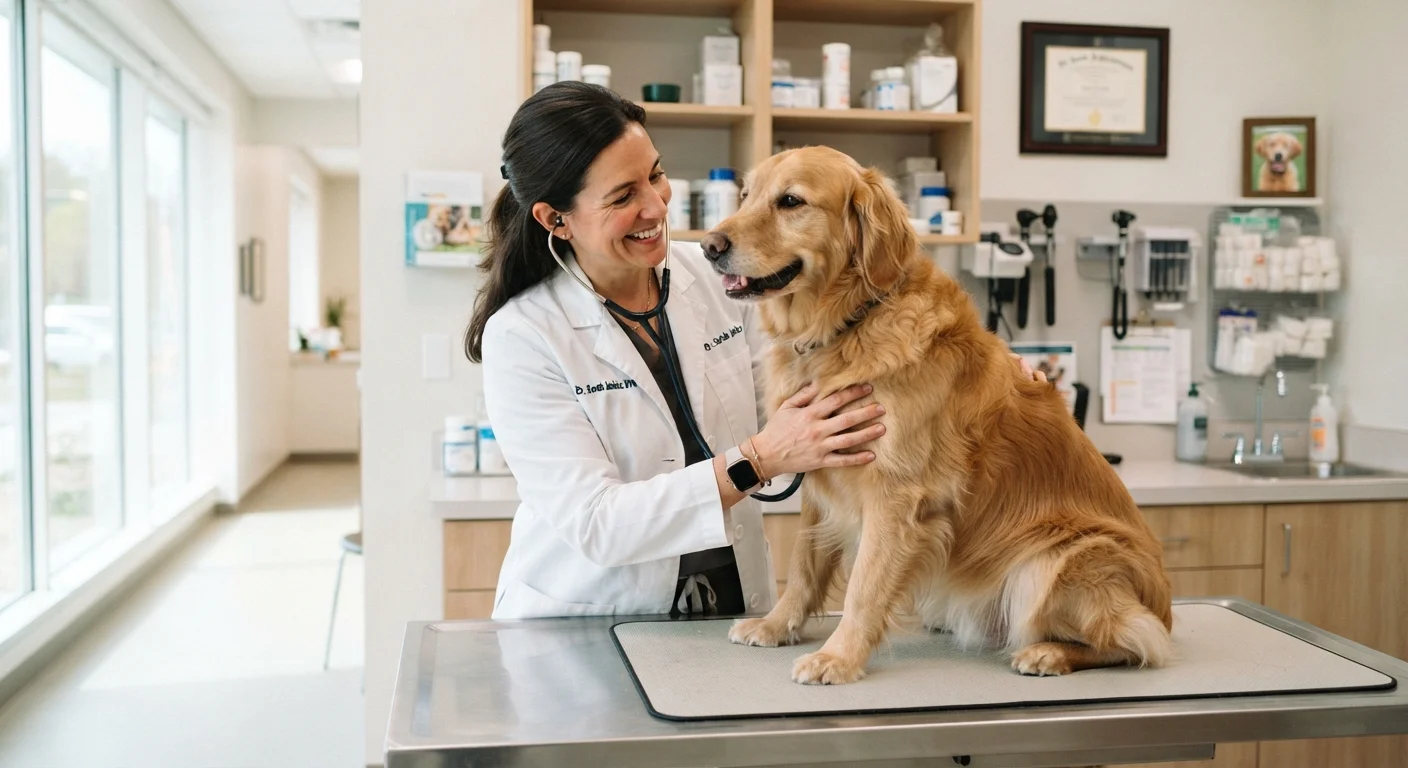
- Heart and lungs — listening with a stethoscope for murmurs, arrhythmias, or abnormal breathing sounds
- Abdomen — palpating organs to detect unusual size, pain, or masses
- Lymph nodes and musculoskeletal system — checking for swelling, stiffness, or joint discomfort
- Weight and body condition score — obesity and underweight both carry health risks your vet can quantify objectively
After the physical, your vet will review the pet's vaccine history and discuss what's due based on age, lifestyle, and risk. They may also request a fecal sample for internal parasite screening or recommend bloodwork for older animals. The visit closes with time for your questions — use it.
Bring a Written List of Questions
Wellness visits move quickly. Before you arrive, jot down any changes in your pet's appetite, water intake, energy level, bathroom habits, or behavior — even things that seem minor. Sharing these details gives your vet a fuller picture and helps you get the most out of the appointment time.
Why Preventive Visits Catch What You Can't See at Home
Pets are instinctively good at masking discomfort and illness — a trait rooted in survival behavior. By the time many conditions become visible to owners, they've already progressed. Annual exams create a documented health baseline that makes gradual deterioration far more detectable.
Consider a few common examples: a heart murmur detected early allows for monitoring and timely intervention; dental disease caught at stage one is far simpler to manage than a stage-four infection; early kidney disease identified through bloodwork can be slowed with dietary changes before clinical signs appear. None of these would have been caught during a sick-pet visit because the owner had no reason to schedule one.
~70%
Pets over 3 with some dental disease
According to the American Veterinary Medical Association, periodontal disease is among the most common conditions diagnosed during routine wellness exams in adult pets.
2x/year
Recommended exam frequency for senior pets
Most veterinary guidelines recommend biannual wellness visits for senior dogs and cats, reflecting the faster rate at which age-related health changes can develop.
This is also why delayed vet visits often translate to more complex treatment. Early detection consistently leads to better outcomes — not because of any single dramatic intervention, but because there are simply more options available when a problem is small.
Preventive Care Beyond the Physical Exam
Annual visits are also the right time to address the full picture of preventive health — not just what the vet observes, but what you report and what's scheduled going forward.
Parasite prevention is a major focus. Your vet will review your current flea, tick, and heartworm protocols and make adjustments based on seasonal exposure or any gaps in coverage. A year-round approach is typically recommended; see our guide to building a year-round parasite prevention routine for more detail.
Nutrition is another area often addressed during wellness appointments. Life stage, weight trends, and any diet changes since the last visit are all relevant. If you want to arrive prepared with specific questions, the annual pet nutrition audit offers a useful pre-visit checklist.
Behavioral observations matter too. Vets are trained to notice and ask about anxiety, changes in activity, altered sleep patterns, or increased vocalization — signals that can point to pain, cognitive change, or other underlying issues. Don't hesitate to raise behavioral concerns; they're clinically relevant, not trivial.
Senior Pets Need More Frequent Exams
If your dog or cat is entering their senior years, once-yearly visits may no longer be enough. Vets often recommend twice-yearly exams for older animals, and may add bloodwork panels or blood pressure checks as standard. Read more about how care adapts in our guide to senior pet health needs.
This article provides general information about routine veterinary care and is not a substitute for professional veterinary advice. Always consult a licensed veterinarian for guidance specific to your pet's health needs.