

Key Takeaways
Good Debt vs. Bad Debt
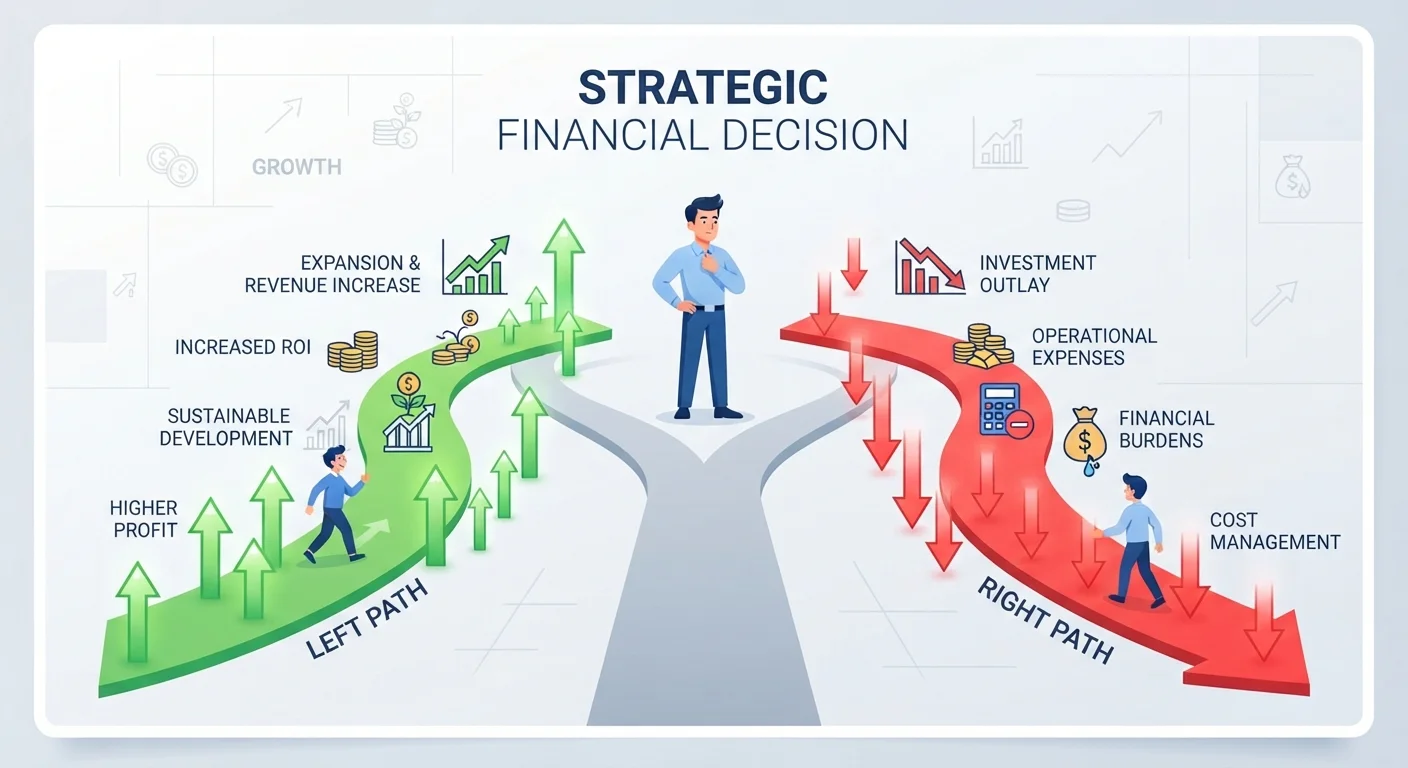
Good debt is borrowing that has a reasonable chance of improving your financial position over time — such as a mortgage or student loan that increases your earning power or net worth. Bad debt is borrowing that costs more than it returns, typically used to fund things that lose value quickly or carry high interest rates. The distinction isn't always black and white, but the core question is: does this debt help build something, or does it drain resources?
Economists sometimes frame the distinction in terms of return on investment (ROI): debt is productive when the expected return on the asset or opportunity it funds exceeds the cost of borrowing (i.e., the interest rate).
Why the Good/Bad Framework Matters
Most Americans carry some form of debt. According to the Federal Reserve, household debt in the U.S. has run into the trillions of dollars for years running. Yet treating all debt as equally harmful — or equally harmless — leads to poor financial decisions in both directions.
The good debt/bad debt framework gives you a practical lens: instead of asking "should I avoid all debt?" you ask "does this specific borrowing make financial sense for me?" That shift in framing helps homeowners, in particular, navigate decisions like refinancing, home equity borrowing, or carrying a car loan without defaulting to blanket fear or blanket acceptance.
For a broader look at how debt and savings interact, see our complete overview of managing savings and debt together.
~$17T
Total U.S. household debt
The Federal Reserve Bank of New York has reported total U.S. household debt at approximately $17 trillion in recent years, underscoring how widespread borrowing is across American households.
20%+
Average credit card APR
The Federal Reserve has reported average credit card interest rates exceeding 20% annually in recent periods, making revolving card balances among the most expensive forms of consumer debt.
~$37,000
Average student loan debt per borrower
Federal data has indicated average federal student loan balances in the range of $37,000 per borrower, illustrating why the return on educational investment matters significantly.
What Makes Debt 'Good'
Debt tends to fall in the "good" category when it meets at least one of these conditions:
- It finances something that grows in value. A home mortgage is the classic example. Over long periods, real property has generally appreciated — meaning the asset can outpace your borrowing cost.
- It increases your earning power. A student loan that funds a credential leading to higher wages can deliver a positive return, though this depends heavily on field, cost, and completion.
- The interest rate is low relative to your alternatives. Low-rate debt leaves capital free for other purposes — including savings and investment — rather than consuming it in interest charges.
Even within these categories, context matters. A mortgage on a home priced beyond your means shifts from good to problematic. If you're weighing how borrowing fits alongside savings goals, the savings-vs-debt dilemma is worth understanding before making a move.
A Simple Test Before You Borrow
Ask yourself two questions: Will this debt fund something that holds or grows in value, or increase my ability to earn? And can I comfortably make the payments without sacrificing savings or essentials? If both answers are yes, the debt is more likely to work in your favor. If either answer is no, proceed carefully.
What Makes Debt 'Bad'
Debt earns the "bad" label when costs reliably outrun any benefit. The clearest signals:
- High interest rates. Credit cards often carry annual percentage rates (APRs) of 20% or higher. At those rates, a balance that isn't paid off quickly compounds against you fast.
- Funding items that depreciate immediately. Borrowing to buy clothing, dining experiences, or electronics that lose value the moment you acquire them adds cost with no corresponding asset.
- Payments that crowd out essentials. Debt that squeezes your ability to save, pay bills, or cover emergencies creates financial fragility regardless of what it funded.
It's worth noting that many popular beliefs about debt — including ideas about what harms or helps your credit — don't hold up to scrutiny. Our article on widespread debt myths separates fact from fiction.
The Gray Zone: When Simple Labels Fall Short
Plenty of debt sits between the two poles. An auto loan is a good example. A car is a depreciating asset — it loses value from day one — but many people need reliable transportation to earn income. The debt may be unavoidable and reasonable, even if it doesn't technically qualify as "good" by the strict definition.
Similarly, a home equity loan (which borrows against the value you've built in your home) could fund a value-adding renovation or could fund a vacation. Same debt structure, very different financial outcome.
The honest answer is that the good/bad label is a starting framework, not a final verdict. Before borrowing, it's worth understanding the principles behind responsible borrowing and, for larger decisions, consulting a qualified financial adviser who can assess your specific situation.
If you're already carrying debt and looking for repayment direction, our explainer on debt avalanche and debt snowball strategies walks through two structured approaches worth considering.
This article is for general informational and educational purposes only and does not constitute personalized financial, legal, or tax advice. Consult a licensed financial professional before making borrowing or repayment decisions specific to your situation.