

Key Takeaways
Emergency Fund
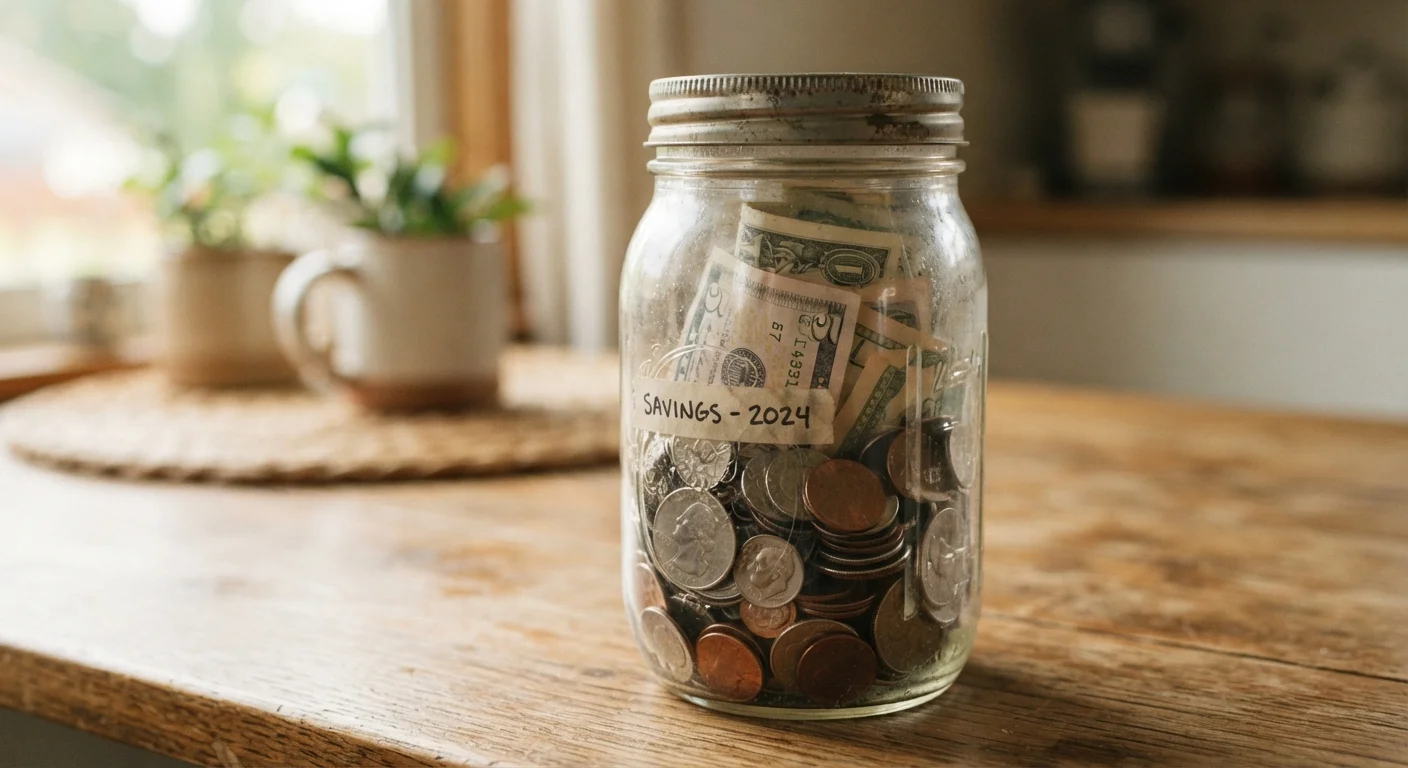
An emergency fund is a dedicated pool of cash set aside specifically for unexpected, necessary expenses — things like a sudden job loss, a medical bill, or a major car repair. It sits separate from your everyday spending money and is not meant to be touched for planned expenses or discretionary purchases. Its sole job is to prevent a financial shock from turning into a financial crisis.
Most financial guidance recommends holding three to six months of essential living expenses in a liquid, low-risk account such as a high-yield savings account or money market account — though the right amount varies by household circumstances.
What Qualifies as a Real Emergency
The term gets used loosely, but a true financial emergency has two defining qualities: it was unexpected and it is necessary. A burst pipe that floods your basement is an emergency. A sale on a new television is not.
Common qualifying situations include:
- Job loss or sudden income reduction
- Emergency medical or dental costs not covered by insurance
- Urgent home repair (roof damage, heating failure in winter)
- Major unplanned car repair needed to get to work
- Unplanned travel for a family crisis
Notice what is missing from that list: vacations, holiday spending, a new appliance upgrade, or routine maintenance you knew was coming. Those belong in your regular budget or a dedicated sinking fund — a savings category earmarked for a specific planned expense. Mixing them into your emergency fund gradually depletes a resource meant for genuine crises.
Sinking Funds vs. Emergency Funds
A sinking fund is a savings category for a known future expense — like car registration, annual insurance premiums, or holiday gifts. An emergency fund is for costs you could not have predicted. Both are useful, but they serve different purposes and should be tracked separately. Conflating the two can quietly drain the buffer you're counting on for genuine crises.
How Much Is Enough — and Why It Varies
The three-to-six months rule is a useful starting point, but it is a range for a reason. Your target depends on how stable your income is, how many people depend on your earnings, and how quickly you could realistically replace lost income.
~57%
Americans who cannot cover a $1,000 emergency from savings
According to Bankrate's annual emergency savings survey, a majority of U.S. adults would need to borrow or use credit to handle an unexpected $1,000 expense.
3–6 months
Recommended essential expenses in reserve
This range reflects widely cited personal finance guidance; households with variable income or dependents are often advised to target the higher end.
22%
Adults with no emergency savings at all
Bankrate research has consistently found that roughly one in five U.S. adults has no dedicated emergency fund, leaving them fully exposed to financial shocks.
A two-income household with steady salaried jobs and employer-sponsored health insurance might reasonably target three months of expenses. A freelancer, a single parent, or anyone in a seasonal industry likely needs six months or more. The goal is not a specific dollar figure but enough runway to make deliberate choices — not desperate ones — after a disruption.
If saving that full amount feels impossible right now, a starter fund of $500 to $1,000 still meaningfully lowers your risk of resorting to high-interest credit for small emergencies while you work toward a fuller cushion.
Where to Keep It (and Where Not To)
Your emergency fund needs to meet two criteria: it must be liquid (accessible within a day or two) and stable (not subject to market fluctuation). That rules out stocks, mutual funds, and retirement accounts — all of which can lose value at precisely the moment you need the money most, and some of which carry withdrawal penalties.
A dedicated high-yield savings account or money market account fits both criteria for most households. Keeping it at a different institution than your checking account adds a small friction that discourages casual spending.
Automate Your Emergency Fund Contributions
Set up a recurring automatic transfer from your checking account to your emergency fund on each payday — even a small amount like $25 or $50 builds the habit and the balance over time. Automating removes the decision from each pay cycle, making consistent saving much easier to maintain.
What you want to avoid is commingling your emergency fund with everyday money. When funds share the same account, the psychological boundary disappears, and the balance drifts toward zero before a real emergency ever arrives.
Emergency Fund vs. Other Financial Safety Nets
An emergency fund is not the only financial buffer available to households, but it fills gaps that other tools cannot. Insurance covers certain defined events, but it comes with deductibles, exclusions, and waiting periods. Credit cards provide access to money, but they convert a cash problem into a debt problem with interest attached. Retirement accounts carry tax penalties for early withdrawal and are intended for a completely different purpose.
It also differs from related tools you might encounter while traveling or planning larger events. For instance, travel insurance covers trip-specific risks like cancellations or medical evacuation abroad — it is not a general-purpose safety net. Understanding where each tool begins and ends helps you avoid under-protecting yourself in one area while over-paying in another.
The emergency fund's advantage is its simplicity: it is your money, available when you need it, with no application, no approval, and no interest charges.
This article is for general informational and educational purposes only and does not constitute personalized financial advice. Consult a qualified financial professional for guidance tailored to your specific circumstances.