

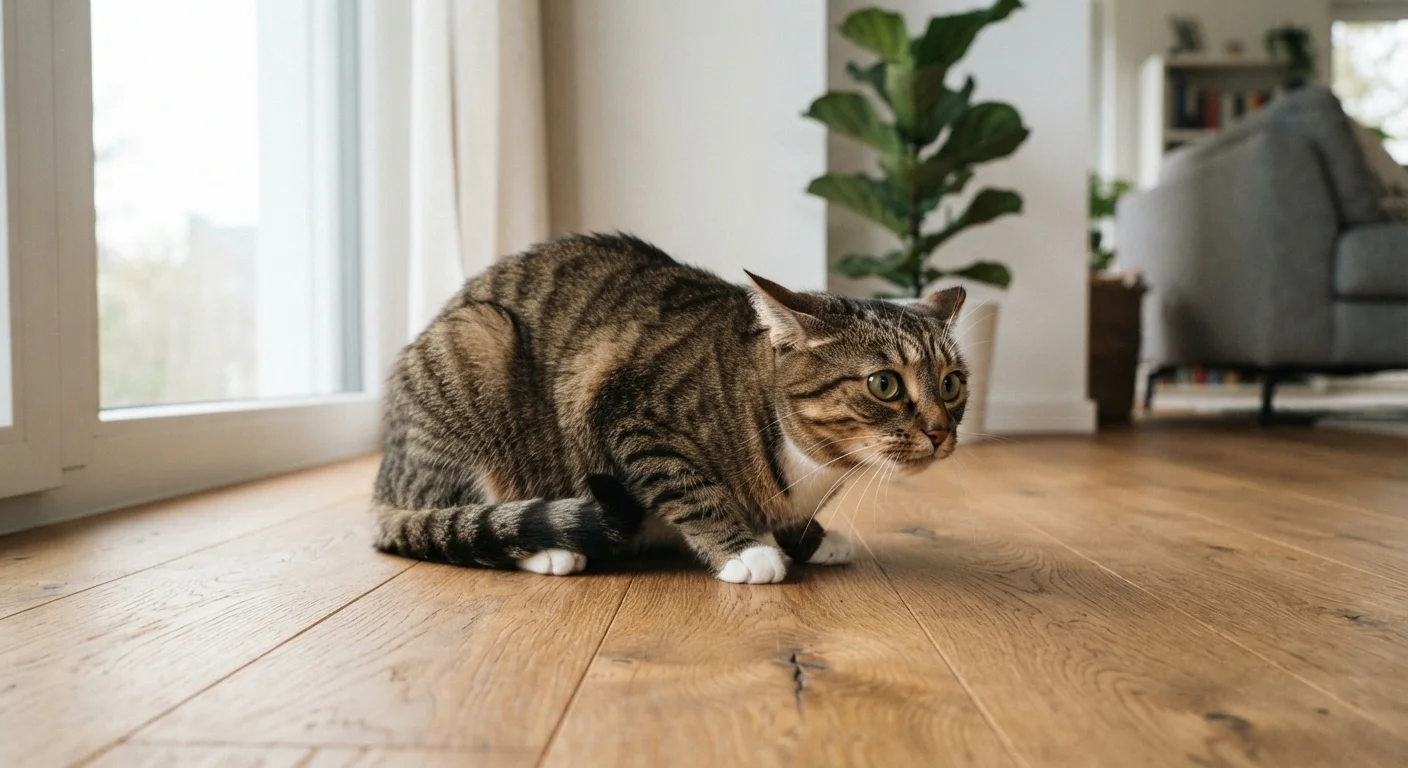
Key Takeaways
Understanding Why Cats Become Aggressive at Home
Feline aggression in a domestic setting is rarely random or unprovoked. Cats communicate primarily through body language, and by the time they scratch or bite, they have typically been signaling discomfort for some time. Understanding the root cause is the only reliable path to lasting change.
The most common triggers include:
- Fear: Loud noises, unfamiliar visitors, or sudden environmental changes can push a cat into a defensive state. Fear-driven behavior often looks like offense but is fundamentally self-protective.
- Territorial conflict: Cats are spatially territorial. The arrival of a new pet is a high-risk trigger — see our guide on introducing a new pet into a multi-animal household for structured transition strategies.
- Overstimulation (petting-induced aggression): Many cats have a finite threshold for physical contact. Stroking that continues past that threshold — even when the cat initially invited touch — can result in a sudden bite. Watch for tail lashing, skin rippling, and ear rotation as early warning signs.
- Redirected aggression: A cat aroused by an outdoor cat visible through a window may redirect that frustration toward a nearby person or pet. This type is among the most intense and often confuses owners because the trigger seems unrelated.
- Pain or illness: Any medical condition causing discomfort can make a normally placid cat hostile when touched. Arthritis, dental pain, and neurological conditions are common culprits.
Unusual or sudden behavioral shifts in cats often have logical explanations once the environment and health history are reviewed carefully.
Sudden Aggression May Signal a Medical Problem
If your cat has no history of aggression and suddenly becomes hostile, a veterinary exam should be your first step — not a behavioral intervention. Pain-induced aggression from conditions such as arthritis, dental disease, or hyperthyroidism can mimic behavioral problems. Do not attempt to manage what appears to be a behavioral issue until a medical cause has been ruled out.
What You Can Do: A Practical Step-by-Step Approach
Addressing feline aggression requires patience and a methodical approach. The steps below are intended as general guidance for managing common behavioral causes; they are not a substitute for professional veterinary or behavioral assessment.
What you will need
Feliway-style pheromone diffuser
Synthetic feline facial pheromones can reduce stress-related tension in the home environment.
Cat tree or wall shelves
Provides vertical territory that gives cats a retreat option, reducing ground-level confrontations.
Separate food and water stations
Eliminates resource competition in multi-cat households, a frequent trigger for aggression.
Interactive wand toy
Channels predatory energy into appropriate play, reducing redirected aggression toward people or other pets.
Schedule a veterinary exam first
Before making any environmental or behavioral changes, have your veterinarian rule out pain, illness, or hormonal imbalances as contributing factors. Provide a detailed account of when the aggression started, how frequently it occurs, and what seems to precede it. Blood panels and a physical exam are often the starting point.
Identify and document the trigger
Once medical causes are addressed, focus on pinpointing the behavioral trigger. Review your incident log and look for patterns: Is aggression directed at a specific person, another pet, or occurring at a particular time of day? Redirected aggression, for example, often clusters around windows facing outside where other cats are visible.
Reduce exposure to confirmed triggers
Where the trigger is identifiable, limit the cat's access to it temporarily. For window-based redirected aggression, reposition furniture or use window film to obscure street-level views. For visitor-related fear aggression, create a quiet retreat room the cat can access at will when guests arrive.
Enrich the environment to reduce stress
Environmental enrichment addresses the underlying tension that makes cats more reactive. Add vertical space with cat trees or wall shelves. Rotate interactive toys regularly to maintain novelty. Scheduled daily play sessions using a wand toy allow the cat to express predatory behavior appropriately, reducing the chance it is displaced onto people or other pets.
Separate resources in multi-cat households
Competition over food bowls, water stations, litter boxes, and resting spots is a primary driver of inter-cat aggression. The general guideline is one resource per cat plus one extra — for example, three litter boxes for two cats — placed in different locations so that no single cat can guard access to all of them.
Learn and respect your cat's contact threshold
For petting-induced aggression, the most effective intervention is simply stopping well before the cat reaches its tolerance limit. Learn to read early warning signals — tail movement, skin twitching, shifting weight — and end the interaction on a calm note before those signs appear. Over time, many cats can tolerate longer interactions as trust builds.
Consult a certified animal behaviorist if needed
If aggression is severe, involves bites that break skin, or has not responded to environmental changes within four to six weeks, seek help from a veterinary behaviorist or a certified applied animal behaviorist (CAAB). These professionals can design a structured behavior modification plan tailored to your cat's specific profile.
Use Vertical Space to Reduce Tension
Cat trees, wall-mounted shelves, and elevated perches give cats the ability to distance themselves from perceived threats without fleeing the room. In multi-cat households especially, vertical territory reduces competition over ground-level resources and can lower the frequency of confrontations noticeably.
Never Punish Aggressive Behavior
Physical correction, yelling, or spraying water at an aggressive cat typically escalates fear and tension rather than reducing it. These responses damage your cat's trust and can intensify aggressive episodes over time. Always disengage calmly and give the cat space instead.
This article is for general informational purposes only and does not constitute veterinary or behavioral advice. Always consult a licensed veterinarian or certified animal behaviorist for guidance specific to your cat's situation.