

Automotive Basics

Seasonal Car Maintenance: Preparing for Winter and Summer Driving

Share
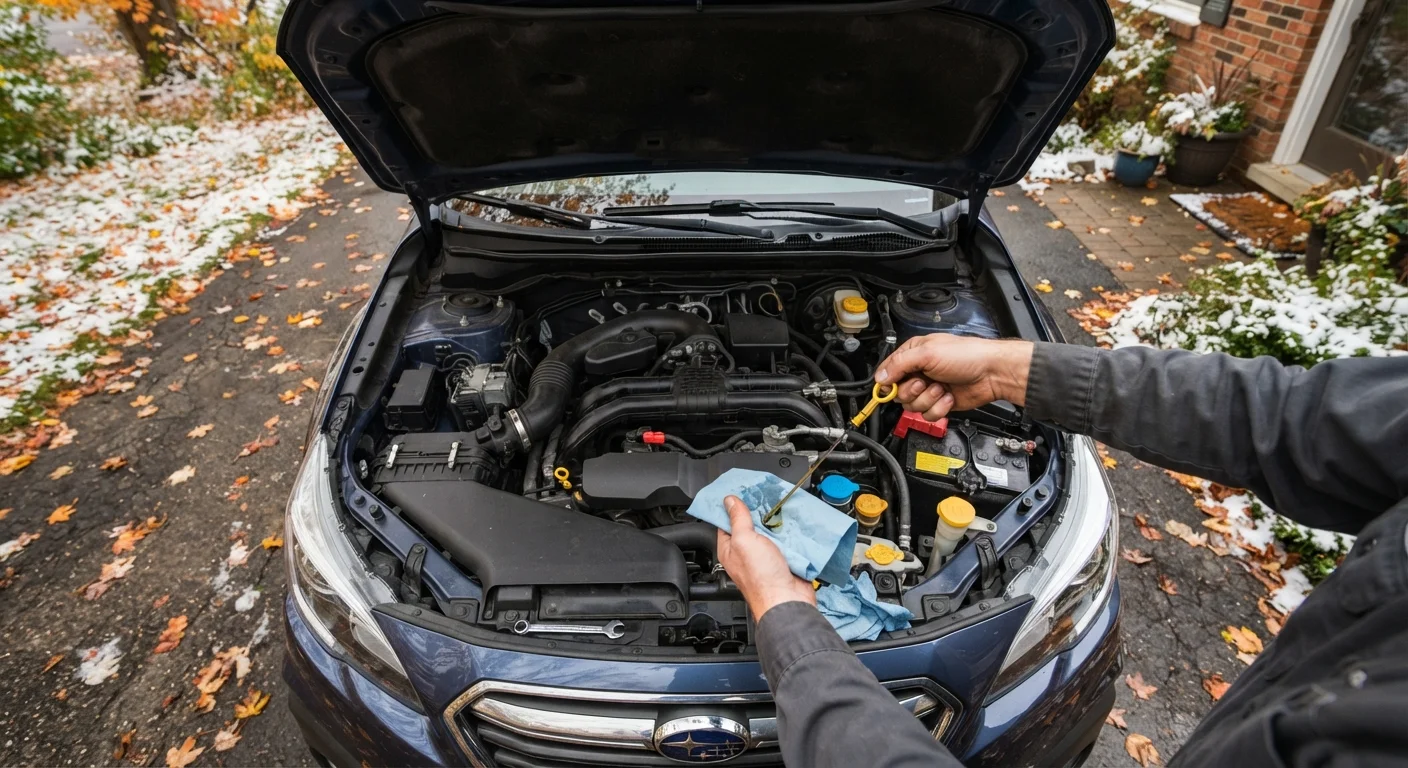
Person checking car fluid levels under open hood with seasonal foliage in background.

Key Takeaways

Tires, battery, and fluids are the three systems most affected by seasonal temperature swings.
Cold weather reduces tire pressure and significantly weakens battery output — both need checking before winter.
Summer heat accelerates coolant breakdown and can cause overheating if the system is neglected.
Wiper blades and lighting are quick wins that dramatically improve seasonal safety.
A mechanic should handle any fluid flush or brake inspection if you're not confident doing it yourself.
30–60 min

Summary

18 items · 30–60 minutes

Why Seasons Matter More Than Your Odometer

Most drivers think about car maintenance in miles — oil changes every so many thousand, tire rotations on a set schedule. But temperature extremes stress vehicle systems in ways that mileage alone doesn't capture. A battery that tests fine in September may struggle to start your car in January. Tires inflated correctly in summer lose pressure as temperatures drop. Coolant that's past its service life may hold up through mild weather but fail when it counts most.

Seasonal preparation is about giving your car a targeted audit before conditions change — not waiting for a warning light or a breakdown. This checklist covers the key systems to inspect or service before both winter and summer, with notes on which tasks most drivers can handle at home and which are better left to a qualified mechanic.

If you want to build this into a broader ownership routine, our long-term maintenance framework is a useful companion. And if you drive in snow or ice, pairing this checklist with guidance on driving in adverse conditions will give you a fuller picture.

Before Winter

Check tire pressure and adjust to the manufacturer's specification — cold air reduces pressure roughly 1 PSI for every 10°F drop in temperature. Must
Inspect tire tread depth; if tread is at or near 2/32", replace tires before driving on wet or snowy roads. Must
Have the battery tested under load — batteries typically lose 20–50% of their cranking power in freezing temperatures, and a marginal battery may fail to start in cold weather. Must
Check the coolant (antifreeze) concentration using an inexpensive test strip or have a shop verify the freeze protection level is appropriate for your climate. Must
Inspect wiper blades for streaking or skipping and replace them if worn; consider winter-rated blades for regions with heavy snow or ice. Should
Top up windshield washer fluid with a winter-rated formula rated to at least -20°F to prevent the reservoir and lines from freezing. Must
Test all exterior lights — headlights, brake lights, and turn signals — since shorter days mean you'll be driving in low light more often. Should
Keep an emergency kit in the trunk with an ice scraper, jumper cables, a small blanket, and a flashlight. Nice to have

Before Summer

Inspect the cooling system including hoses, the radiator cap, and coolant level — heat is the leading cause of roadside breakdowns, and a failing cooling system is a primary culprit. Must
Check that the air conditioning system is blowing cold; if refrigerant is low or the compressor sounds unusual, have it inspected by a qualified technician. Should
Verify tire pressure again — heat causes air to expand, so tires can become overinflated in summer, increasing blowout risk. Must
Check engine oil level and condition; high ambient temperatures combined with stop-and-go driving place additional thermal stress on the oil. Must
Inspect the serpentine belt for cracking, fraying, or glazing — heat accelerates belt degradation and a snapped belt can disable charging, cooling, and power steering simultaneously. Should
Replace the cabin air filter if it's been more than 12–15 months, so the A/C system moves air efficiently through a clean filter. Nice to have

Year-Round Safety Checks (Do Both Seasons)

Test your brakes for unusual noises, vibration, or a soft pedal feel — have a mechanic inspect pads, rotors, and brake fluid if anything seems off. Must
Check all fluid levels (brake fluid, power steering, transmission) and look under the car for any signs of leaking. Must
Verify that your spare tire is inflated and your jack and lug wrench are accessible and in working order. Should
Review your vehicle owner's manual for any season-specific recommendations unique to your make and model. Nice to have

What to Have on Hand

Before working through this checklist, gather a few basic items. You don't need a full workshop setup — most of these checks are visual inspections or simple measurements.

Required

Tire pressure gauge

Measure tire pressure accurately before adjusting to manufacturer specifications.

Required

Tread depth gauge

Check remaining tire tread to determine if replacement is needed before the season.

Optional

Antifreeze test strips

Verify that coolant concentration provides adequate freeze protection for your climate.

Required

Flashlight or work light

Inspect hoses, belts, and the undercarriage in low-light conditions.

Required

Vehicle owner's manual

Reference manufacturer-specified fluid types, capacities, and service intervals for your exact model.

Know Your Limits Before You Start

This checklist covers inspections and checks that most drivers can perform safely with basic tools. Tasks involving the brake system, cooling system flush, or A/C refrigerant require specialized equipment and training — attempting them without proper knowledge can cause injury or vehicle damage. When in doubt, bring the vehicle to a qualified mechanic rather than guessing.

After the Checklist: What to Do Next

Once you've worked through the seasonal checklist, document what you found. A simple note in your phone with the date, tire pressure readings, and any items flagged for follow-up is enough. If you discovered issues with fluids, brake feel, or battery age, schedule service before the season fully arrives — not after the first cold snap or heat wave hits.

Some of the items on this list — particularly coolant flushes, brake fluid testing, and battery load testing — are straightforward for a shop to handle quickly and inexpensively. Don't skip them just because they're not visible from the driver's seat. Our guide to identifying and checking car fluids explains what each fluid looks like when healthy versus degraded, which helps you make the call confidently.

For items that tend to fall off most owners' radar entirely — cabin air filters, brake fluid intervals, coolant service — see our article on maintenance tasks new car owners often overlook. And for a deeper look at what your battery is doing through the colder months, the car battery care guide is worth reading before temperatures drop.

Don't Wait for a Warning Light

Modern vehicles are good at alerting you to problems that have already developed — but seasonal preparation is about getting ahead of failures before they happen. A battery that reads marginal in October, coolant that's due for a flush, or tires at 3/32" tread are not emergencies yet, but they become ones quickly once the season shifts. Addressing these items proactively is almost always less expensive and less disruptive than roadside repairs.

Automotive Basics Editorial Team is the collective byline for our editorial team and contributor network. Articles published under this byline or an editorial pen name are researched, written, and reviewed according to our editorial standards for clarity, consistency, and independence before publication.

View all articles by Automotive Basics Editorial Team →
Disclaimer: The content provided on our blog site traverses numerous categories, offering readers valuable and practical information. Readers can use the editorial team’s research and data to gain more insights into their topics of interest. However, they are requested not to treat the articles as conclusive. The website team cannot be held responsible for differences in data or inaccuracies found across other platforms. Please also note that the site might also miss out on various schemes and offers available that the readers may find more beneficial than the ones we cover.