

Key Takeaways
Summary
18 items · 20-45 minutes
Why You Shouldn't Just Let Your Policy Auto-Renew
Most car insurance policies renew automatically each year - and most drivers let them, without a second look. That convenience has a cost. Your life doesn't stay the same from year to year, and neither should your coverage. A policy written when you had a long commute, a newer vehicle, or a teenager on your plan may be a poor fit today.
Working through a structured pre-renewal review helps you catch gaps, eliminate unnecessary coverage, and make sure your deductibles still make financial sense. It also puts you in a stronger position if you decide to compare what other insurers are offering. This checklist walks you through the key areas to audit before you sign off on another policy year.
If you already review your finances seasonally, this fits naturally into that habit - similar to the kind of structured self-audit covered in our personal savings and debt audit.
Your Vehicle and Usage
Drivers on the Policy
Coverage and Deductibles
Discounts and Rate Accuracy
Comparing and Confirming
What to Have on Hand Before You Start
Before sitting down to review your renewal, pull together a few items so you're not guessing. Having this information ready makes the process faster and more accurate.
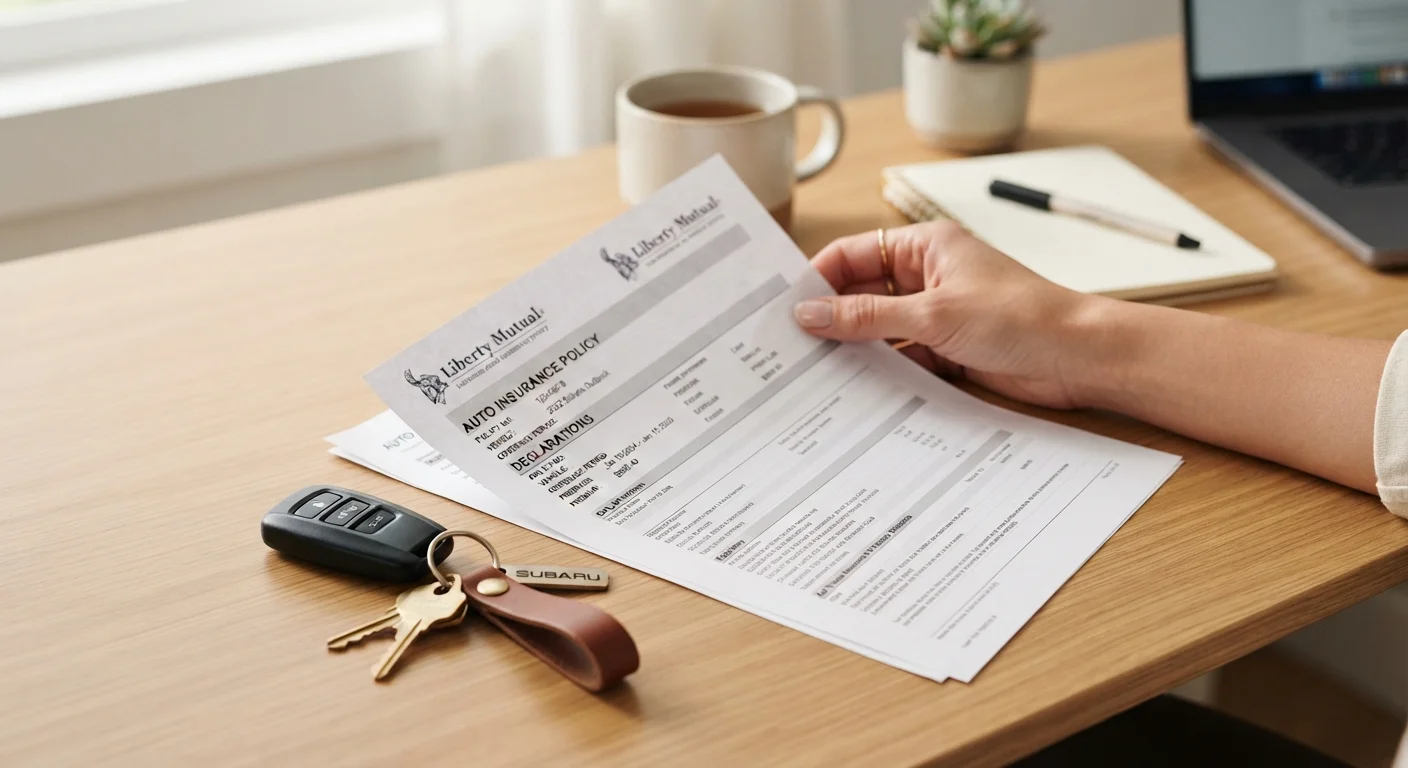
Current Insurance Declarations Page
Shows your existing coverage limits, deductibles, listed drivers, and premium breakdown - the baseline for your entire review.
Vehicle Registration
Confirms the year, make, model, and VIN to ensure your policy covers the correct vehicle.
Odometer Reading or Mileage Log
Helps you provide an accurate annual mileage estimate, which can directly affect your premium.
State Minimum Coverage Requirements
Your state's DMV or insurance regulatory website lists mandatory minimums - verify your policy meets or exceeds them.
Vehicle Value Estimate
A current market valuation (available from sources like your state's insurance commissioner guidance or dealership appraisals) helps you decide whether collision and comprehensive coverage still make financial sense.
Records of Other Insurance Policies
Knowing what your homeowners, renters, or other policies cover helps identify duplication or bundling opportunities.
Don't Let Your Coverage Lapse
If you decide to switch insurers, make absolutely sure your new policy is active before canceling the old one. Even a single day without coverage can result in fines, license suspension in some states, and higher premiums going forward. Confirm your new effective date in writing before making any changes.
After the Review: What to Do Next
Once you've worked through the checklist, you'll likely land in one of three places: satisfied that your current policy still fits, aware that you need to adjust your coverage, or ready to request quotes from other insurers. All three are valid outcomes.
If you plan to shop around, give yourself at least two to three weeks before your renewal date. That's enough time to gather quotes, ask questions, and avoid any lapse in coverage. A lapse - even a short one - can raise your rates and create legal exposure depending on your state.
Note that if you've recently changed how much you drive, say by working from home more frequently or commuting less, that's worth flagging to your insurer explicitly. Lower annual mileage can sometimes affect your rate.
Car insurance is just one piece of the broader cost of ownership. For a fuller picture of what regular upkeep demands, our car maintenance hub covers the core tasks every owner should understand. And if you're thinking ahead to seasonal driving - winter weather in particular - our seasonal car maintenance checklist is a useful companion read.
This article is for general informational purposes only and does not constitute personalized financial, insurance, or legal advice. Coverage needs vary by state and individual circumstance. Consult a licensed insurance professional for guidance tailored to your situation.