

Key Takeaways
Why Busy Schedules and Exercise Feel Incompatible
For most homeowners juggling work, family, errands, and home upkeep, formal exercise sessions can feel like a luxury reserved for people with fewer obligations. The mental image of a 60-minute workout requires a block of uninterrupted time that simply doesn't exist on most weekdays. That mismatch breeds guilt and inaction - a cycle that's worth interrupting.
The good news is that physical activity guidelines from organizations like the U.S. Department of Health and Human Services don't require that activity to happen all at once. Accumulating movement across the day in shorter segments counts toward your weekly totals. Understanding this reframes the problem: it's not about finding an hour - it's about reclaiming smaller windows consistently.
If you're just getting started, our beginner's month-by-month exercise guide walks through a low-pressure approach to building momentum from scratch.
Proven Practices for Building Movement Into a Full Day
The strategies below aren't hacks or shortcuts - they're practical approaches backed by exercise science and behavioral research. Apply the ones that fit your current schedule and expand from there.
Anchor movement to habits you already have
Habit stacking - pairing a new behavior with an established one - dramatically reduces the friction of starting. When exercise has a reliable cue, you don't have to rely on motivation or find extra willpower each day.
Treat movement snacks as legitimate exercise
Research suggests that multiple short bouts of moderate activity - sometimes called 'movement snacks' - can produce cardiovascular and metabolic benefits comparable to a single longer session. Rejecting the all-or-nothing mindset is one of the most effective shifts a busy person can make.
Schedule movement like a meeting - with a specific time and duration
Open-ended intentions ('I'll exercise when I get a chance') consistently lose to competing demands. Blocking a specific window on your calendar - even 15 minutes - converts intention into a concrete commitment that's easier to protect.
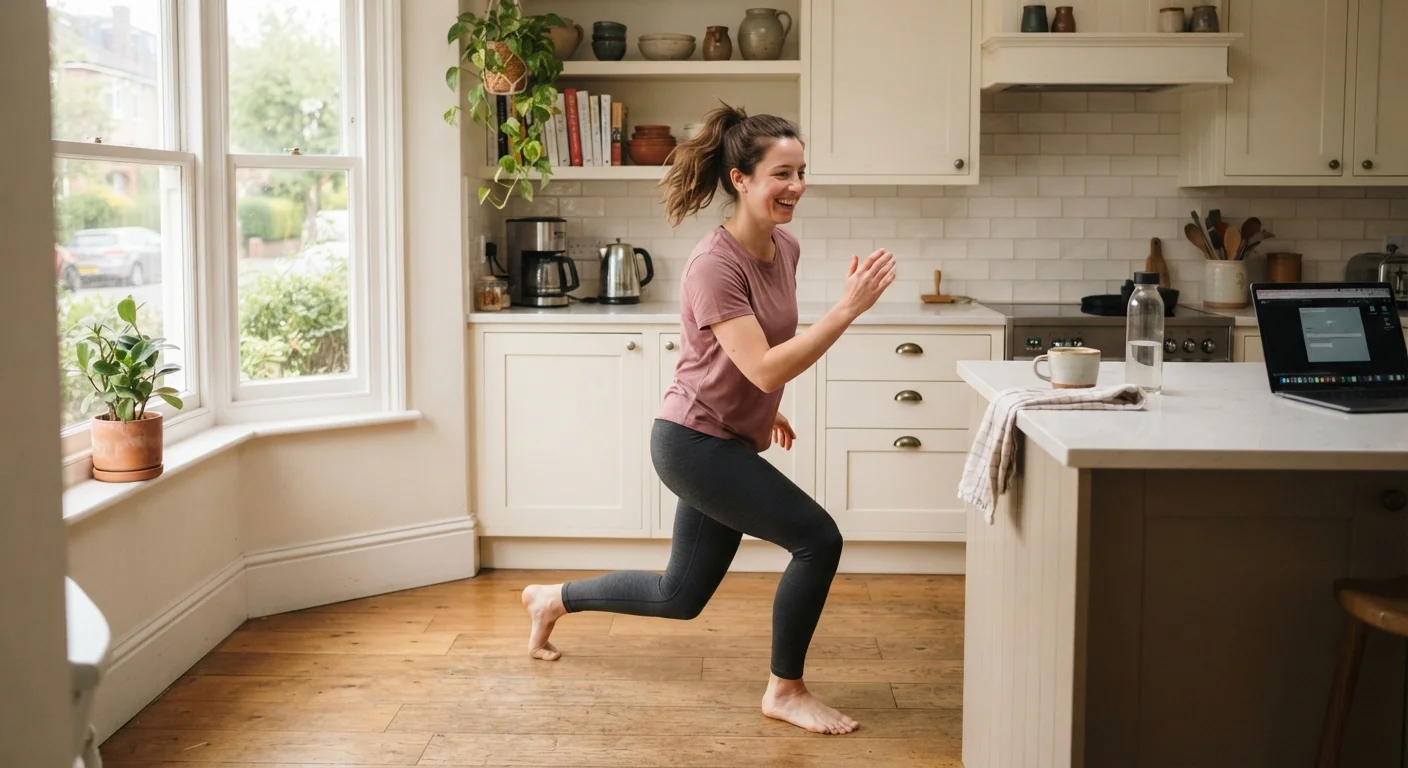
Choose home-friendly activity to eliminate commute friction
Travel time to and from a gym can easily double the time cost of a session. Removing that barrier makes low-effort days far more likely to include movement rather than none at all.
Protect at least one full rest day per week
Rest is not wasted time - it's when the body repairs tissue and consolidates fitness gains. Skipping recovery in an attempt to maximize output typically leads to fatigue, reduced performance, and injury, derailing consistency over weeks.
Use low-impact options when energy or time is limited
Insisting on high-intensity workouts every session sets a bar that a tired, overloaded body can't consistently clear. Lower-intensity movement still contributes to overall health and keeps the habit alive on difficult days.
Everyday household and errand-based movement also adds up more than most people realize. To understand the full picture, see our piece on NEAT and why incidental movement matters.
Start Small: Quick Wins You Can Use Today
Momentum matters more than perfection when building a new movement routine. The following actions require no equipment, no gym membership, and no large time commitment - just a decision to start.
Avoiding burnout is just as important as getting started. This guide on avoiding early burnout explains the common traps and how to sidestep them.
This article is for general informational purposes only and does not constitute medical advice. Consult a qualified healthcare professional before beginning any new exercise program, particularly if you have an existing health condition.