

Key Takeaways
NEAT (Non-Exercise Activity Thermogenesis)
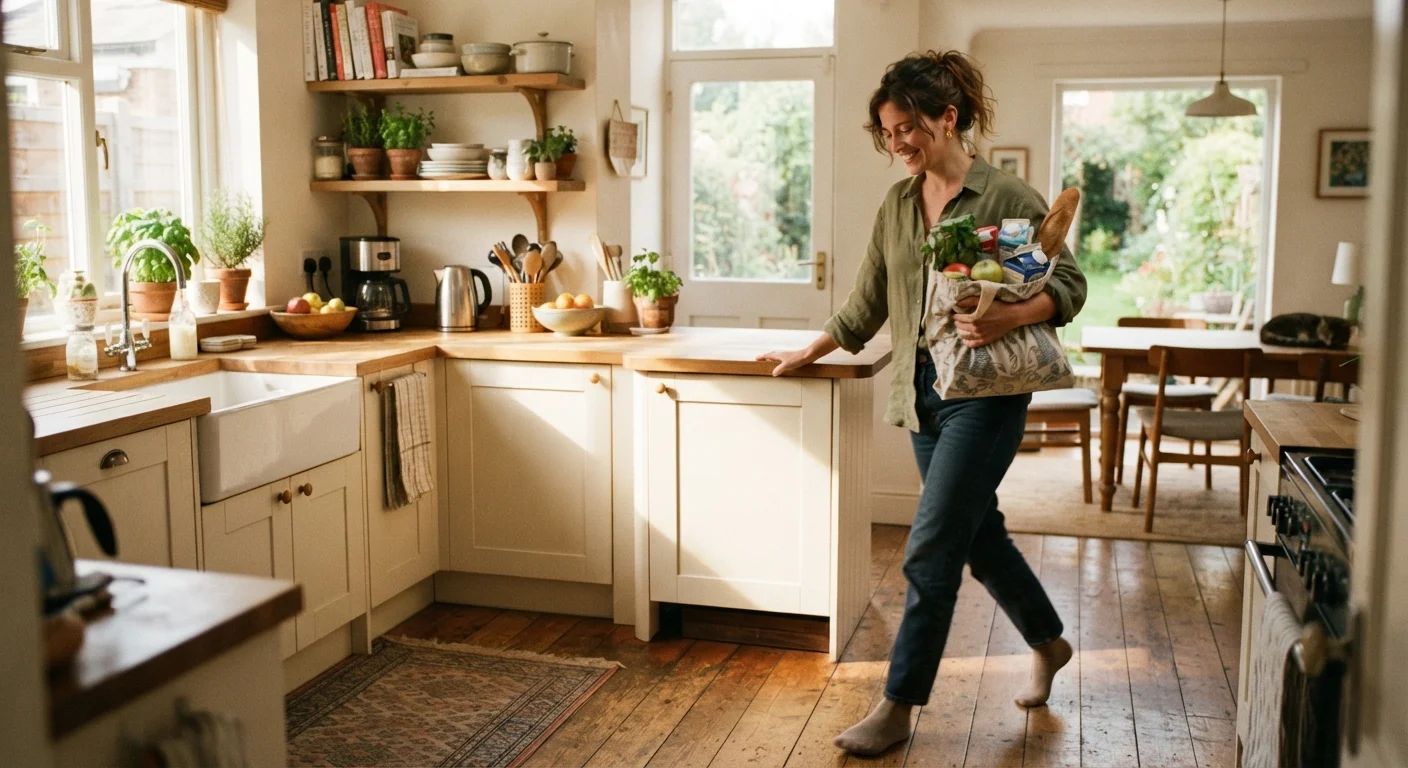
NEAT stands for Non-Exercise Activity Thermogenesis - the energy your body burns through all physical movement that isn't formal exercise, eating, or sleeping. This includes walking to your car, doing laundry, fidgeting at your desk, gardening, and even standing. It's the background hum of physical activity that fills your day whether you notice it or not.
Thermogenesis refers to heat production in the body, which is a byproduct of burning calories. NEAT is one of four components of total daily energy expenditure (TDEE), alongside basal metabolic rate, the thermic effect of food, and exercise activity thermogenesis (EAT).
The Energy You're Already Burning (Without Trying)
Most conversations about physical activity focus on workouts - the 30-minute run, the gym session, the yoga class. But for the majority of people, those structured sessions account for a surprisingly small slice of total daily movement. The much larger portion comes from NEAT: every step taken, every dish washed, every trip up the stairs.
Researchers estimate that for sedentary individuals, NEAT may represent as little as 15% of total daily energy expenditure. But for highly active people - think farmers, mail carriers, or tradespeople - it can climb to well over 50%. That gap between those two populations has little to do with gym time and everything to do with the texture of their daily lives.
Understanding NEAT reframes how you think about movement. It's not just the hour you dedicate to exercise; it's every moment in between. For more context on how these concepts fit into the broader fitness vocabulary, see our plain-language fitness glossary.
~2,000 kcal
Daily NEAT variation between similar individuals
Research by Dr. James Levine published in Science found NEAT can differ by up to 2,000 calories per day between people of comparable body size.
50%+
Share of daily energy expenditure from NEAT in active occupations
In physically demanding jobs such as farming or construction, NEAT can account for more than half of total daily calorie burn.
300-500 kcal
Estimated extra burn from high daily NEAT habits
Consistent low-intensity habitual movement - fidgeting, standing, light walking - can collectively contribute hundreds of additional calories burned per day.
Why NEAT Varies So Much - And Why That Matters
NEAT is surprisingly individual. Research published in Science by Dr. James Levine at the Mayo Clinic identified NEAT as a key variable that explains why some people remain lean despite eating freely, while others struggle despite apparent effort. The difference often isn't metabolism in the abstract - it's how much people move in the margins of their day.
Several factors influence your baseline NEAT level: your occupation, your environment (do you live in a walkable neighborhood?), your habits, and even unconscious behaviors like postural shifting and fidgeting. The practical implication is that your NEAT isn't fixed. Conscious environmental and behavioral changes can shift it meaningfully.
“The human body is designed to move throughout the day. NEAT represents the bulk of physical activity for most people, and small changes in daily movement habits can have outsized effects on long-term health.”
— James Levine, Endocrinologist and NEAT researcher, Mayo Clinic
There's also an important counterpoint: prolonged sitting actively suppresses NEAT. Studies have found that people who sit for extended periods - even those who exercise regularly - show reduced muscle activity and lower energy expenditure throughout the rest of the day. This is why movement researchers increasingly emphasize breaking up sedentary time, not just totaling up workout minutes.
How to Increase Your NEAT Without Overhauling Your Schedule
The appeal of NEAT for time-strapped homeowners is precisely that it doesn't require scheduling. It asks you to move a little differently within the life you already have.
Start With One NEAT Habit
Rather than trying to overhaul your entire day, pick a single low-friction change - like standing during calls or taking a short walk after lunch - and do it consistently for two weeks. Once it feels automatic, layer in a second habit. Small, sustainable shifts in NEAT accumulate into significant movement over time.
- Stand or pace during phone calls. A 20-minute call while walking around your home can add several hundred steps with zero additional time cost.
- Do household tasks more actively. Carry laundry in smaller loads, sweep by hand instead of using a robot, garden regularly - these aren't just chores, they're NEAT in disguise.
- Use transitions deliberately. Walk to a colleague's desk instead of emailing, take the stairs, park at the far end of the lot. Each micro-decision adds up across a week.
- Break up sitting every 30-60 minutes. A two-minute walk to refill your water or do a quick stretch interrupts the NEAT-suppressing effects of prolonged sitting.
For strategies that combine NEAT thinking with structured movement, movement snacks offer a complementary approach that fits into short gaps in your day. And if you're ready to layer in more formal activity, fitting exercise into a full day provides practical frameworks for busy schedules.
This article is for general informational purposes only and does not constitute medical advice. Consult a qualified healthcare professional before making significant changes to your physical activity routine, especially if you have an existing health condition.