

Key Takeaways
Why Small Problems Don't Stay Small
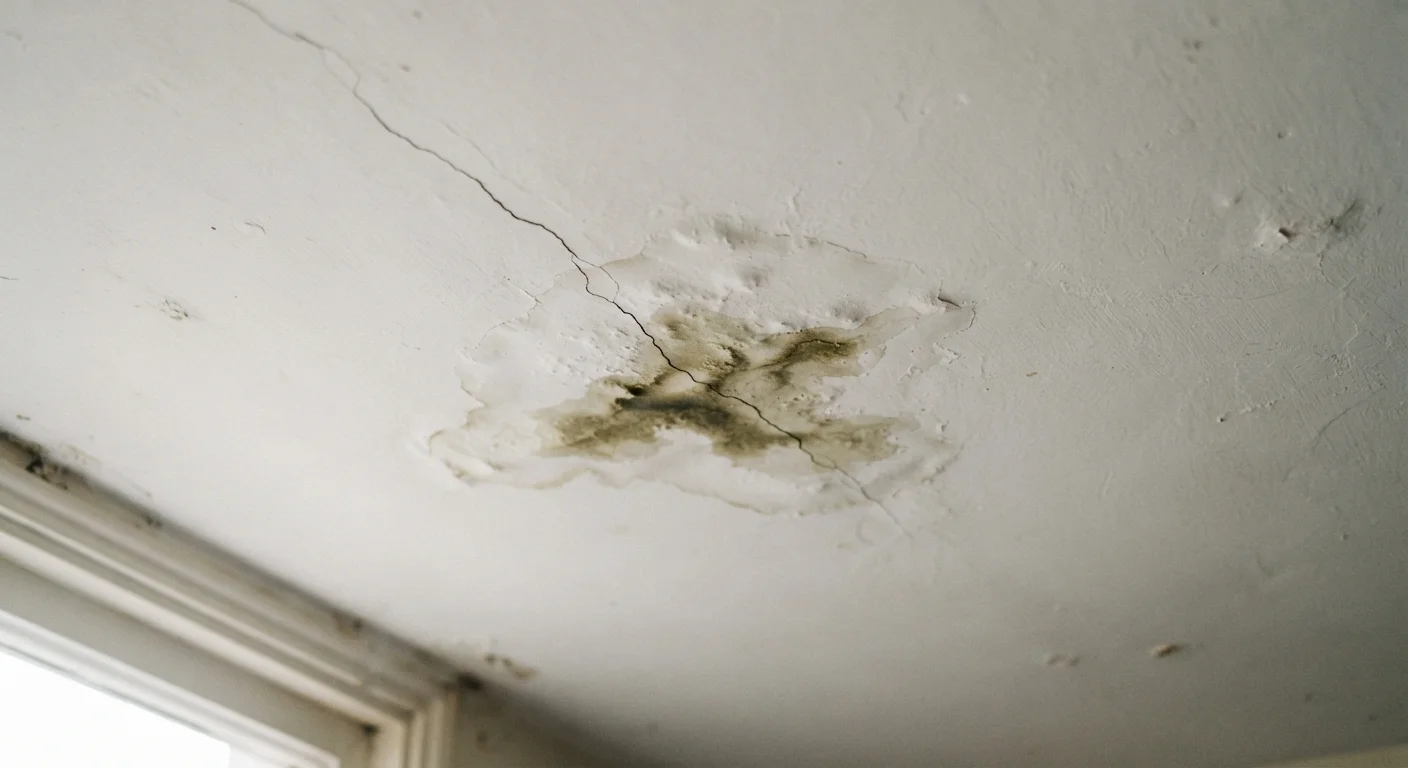
A dripping faucet. A soft spot in the bathroom floor. A crack running along the corner of a window frame. Each one feels like a low-priority nuisance — the kind of thing you'll deal with "when there's time." The problem is that homes don't pause while you wait. Moisture migrates, wood rots, and mold colonizes in the spaces between your attention and your action.
The pattern is consistent: a minor defect creates a vulnerability, environmental stress (rain, freeze-thaw cycles, humidity) exploits that vulnerability, and the resulting damage is an order of magnitude larger than the original issue. Understanding this escalation is the first step toward breaking it. See our seasonal home maintenance calendar to build the check-in habits that catch problems early.
~10x
Cost multiplier when minor repairs are deferred
General contractor and restoration industry guidance consistently suggests that delayed maintenance repairs cost roughly ten times more than the same work done promptly.
40%
Of home insurance claims linked to water damage
Water-related damage is among the most frequently cited categories in US homeowner insurance claims, according to industry loss data.
The Most Costly Maintenance Mistakes Homeowners Make
These aren't exotic failures. They're the predictable consequences of overlooking things that seemed manageable at the time.
Ignoring slow leaks under sinks or around fixtures.
Why it happens: Slow leaks are invisible until they've been active for weeks or months. Homeowners assume "a little moisture" isn't urgent.
Leaving gutters clogged through fall and winter.
Why it happens: Gutter cleaning is unpleasant and easy to postpone. Many homeowners underestimate how quickly debris accumulates.
Skipping caulk and weatherstripping replacements around windows and doors.
Why it happens: Failed caulk looks like a cosmetic issue. Most homeowners don't associate a cracked bead of caulk with a heating bill or a mold problem.
Delaying repair of a small roof leak or missing shingle.
Why it happens: Roof access is intimidating, and the damage often isn't visible from inside the home until it's severe. Homeowners assume a single bad shingle is cosmetic.
Overlooking hairline cracks in foundation walls or around window frames.
Why it happens: Minor cracks are common in settled homes, so homeowners tend to dismiss them as normal. The distinction between cosmetic and structural cracking isn't obvious.
Electrical and Gas Issues: Call a Professional Immediately
Some deferred maintenance items are not DIY territory under any circumstances. Flickering lights, tripping breakers, the smell of gas, or water near your electrical panel should prompt an immediate call to a licensed electrician or your gas utility. Do not attempt to diagnose or repair these yourself. These situations can escalate from inconvenience to life-threatening with no visible warning.
The Hidden Consequences Beyond Repair Bills
Deferred maintenance doesn't only affect the structure — it affects your financial and legal standing as a homeowner. Many standard homeowner's insurance policies include exclusions for damage that results from neglect or gradual deterioration. If an adjuster determines that water damage to your subfloor stemmed from a long-standing slow leak, the claim may be denied entirely.
When you eventually sell, a buyer's inspection will surface deferred issues, often at the worst moment in negotiations. Sellers frequently end up paying more in price reductions than they would have spent fixing problems years earlier. Keeping a simple maintenance log — even a notes app on your phone — gives you documented evidence that the home has been properly cared for.
Neglect Can Void Your Homeowner's Insurance
Most homeowner's insurance policies explicitly exclude damage resulting from a lack of maintenance or gradual deterioration. If an insurer determines that a failure — such as a collapsed ceiling from a longstanding slow leak — was foreseeable and preventable, the claim may be denied. Review your policy language and keep basic maintenance records to protect your coverage when you need it most.
For homeowners pressed for time, the good news is that consistent small efforts outperform occasional large ones. Our guide on sustainable maintenance habits for busy homeowners shows how to build routines that fit real life. And don't overlook what's happening outside — exterior maintenance tasks like repointing and sealing are among the most high-leverage things you can do for long-term protection.