

Key Takeaways
Summary
18 items · 10-20 minutes
Why the Order You Act Matters
In the seconds after a collision, adrenaline makes it easy to respond in the wrong order - jumping out to inspect vehicle damage before checking whether anyone is hurt, or calling a relative before calling emergency services. Acting out of sequence can worsen injuries, create legal complications, and undermine an insurance claim.
This checklist walks you through the correct sequence, grounded in widely accepted road safety guidance and the legal obligations shared across most US states. Think of it as a reference to review before you ever need it - because being mentally rehearsed is half the battle. Good road habits start well before a collision occurs; see our pre-drive safety checklist for how to reduce risk from the moment you approach your car.
Never Leave the Scene of a Collision
Leaving the scene of a collision before exchanging information or before authorities arrive - where required - is a criminal offense in every US state, commonly referred to as a 'hit and run.' This applies even if the damage appears minor or you believe you were not at fault. Always remain at or near the scene until it is lawful to leave.
Your Post-Collision Checklist
Work through each group in order. Do not skip to documentation or insurance steps until safety and emergency needs are fully addressed.
Immediate Safety
Call for Help
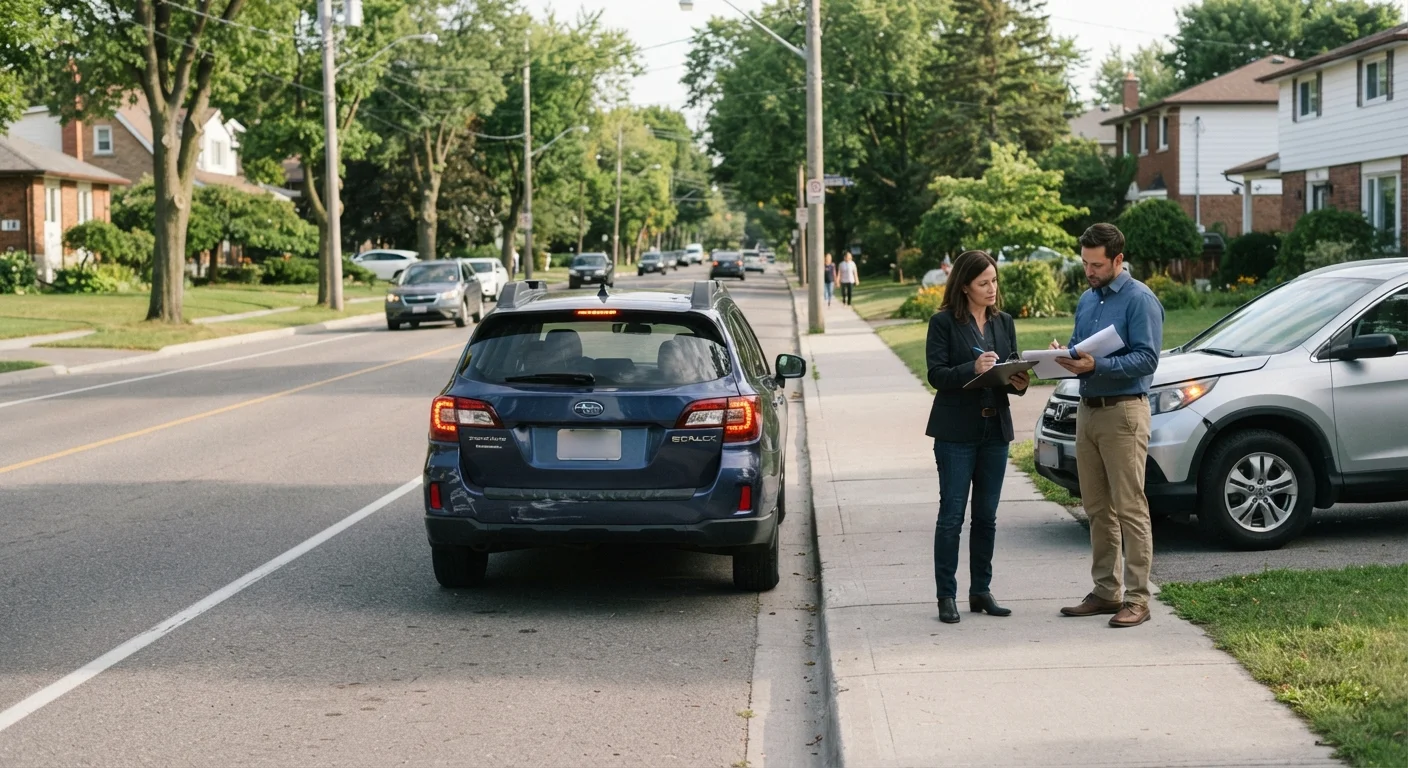
Exchange Information
Document the Scene
Notify Your Insurer
Do Not Admit Fault at the Scene
Even a well-meaning 'I'm so sorry' can be interpreted as an admission of liability in subsequent insurance or legal proceedings. Stick to exchanging factual information and cooperating with police. Fault determination is the role of insurers and, where necessary, the courts - not roadside conversation.
What to Keep in Your Vehicle
Being prepared makes it much easier to follow this checklist under stress. Keep the following items accessible in your glove box or centre console at all times.
Proof of insurance card
Required by law to exchange with other parties; keep a current copy in the vehicle at all times.
Vehicle registration document
Confirms vehicle ownership and is frequently requested by police at the scene.
Pen and notepad
For recording witness details, officer badge numbers, and scene observations when your phone battery is low.
Reflective warning triangles or road flares
Alert approaching traffic to a stopped vehicle, reducing the risk of a secondary collision.
Basic first-aid kit
Allows you to provide minor wound care while waiting for emergency services to arrive.
Portable phone charger (power bank)
Ensures your phone stays powered for calls, photography, and insurance apps during a stressful roadside situation.
If you frequently drive in unfamiliar territory - or rent vehicles abroad - the stakes of being unprepared are even higher. Our guide on road safety for travelers covers what to know when local rules and insurance norms differ from home.
After the Immediate Steps Are Done
Once you have addressed safety, contacted authorities where needed, and exchanged information, a few follow-up actions help protect you going forward.
- Notify your insurer promptly. Most policies require timely notification regardless of fault. Delays can complicate claims.
- Keep a written timeline. While details are fresh, note the time, location, road conditions, speed estimates, and what each vehicle was doing before impact.
- Do not admit fault at the scene. Determining liability is a legal and insurance process - well-intentioned statements can be misinterpreted later.
- Seek medical evaluation if there is any doubt. Symptoms of whiplash, concussion, or internal injury can be delayed by hours. A professional assessment creates a medical record if needed later.
Understanding what causes collisions in the first place can help prevent the next one. Rear-end collisions, for example, are among the most common and avoidable - learn more in our article on why tailgating is more dangerous than most drivers realise.
This article provides general educational information about post-collision procedures and does not constitute legal or insurance advice. Requirements vary by state. Consult a licensed attorney or your insurance provider for guidance specific to your situation.