

Key Takeaways
Summary
18 items · 2-5 minutes
Why Most Drivers Skip This and What It Costs Them
Most drivers get in, buckle up, and go. It feels efficient - but it skips a layer of awareness that professional drivers, pilots, and fleet operators treat as non-negotiable. A quick pre-drive inspection, done consistently, gives you a real-time snapshot of your vehicle's condition before you put it in traffic.
The stakes are practical. A slow tire leak, a burned-out brake light, or a low-fluid warning can each escalate into a breakdown or a collision if left unnoticed. None of these take long to spot - they just require the habit of looking. If you want to build on this foundation, the maintenance tasks most owners overlook article covers deeper upkeep items that pair well with daily checks.
After Extended Parking, Look Closer
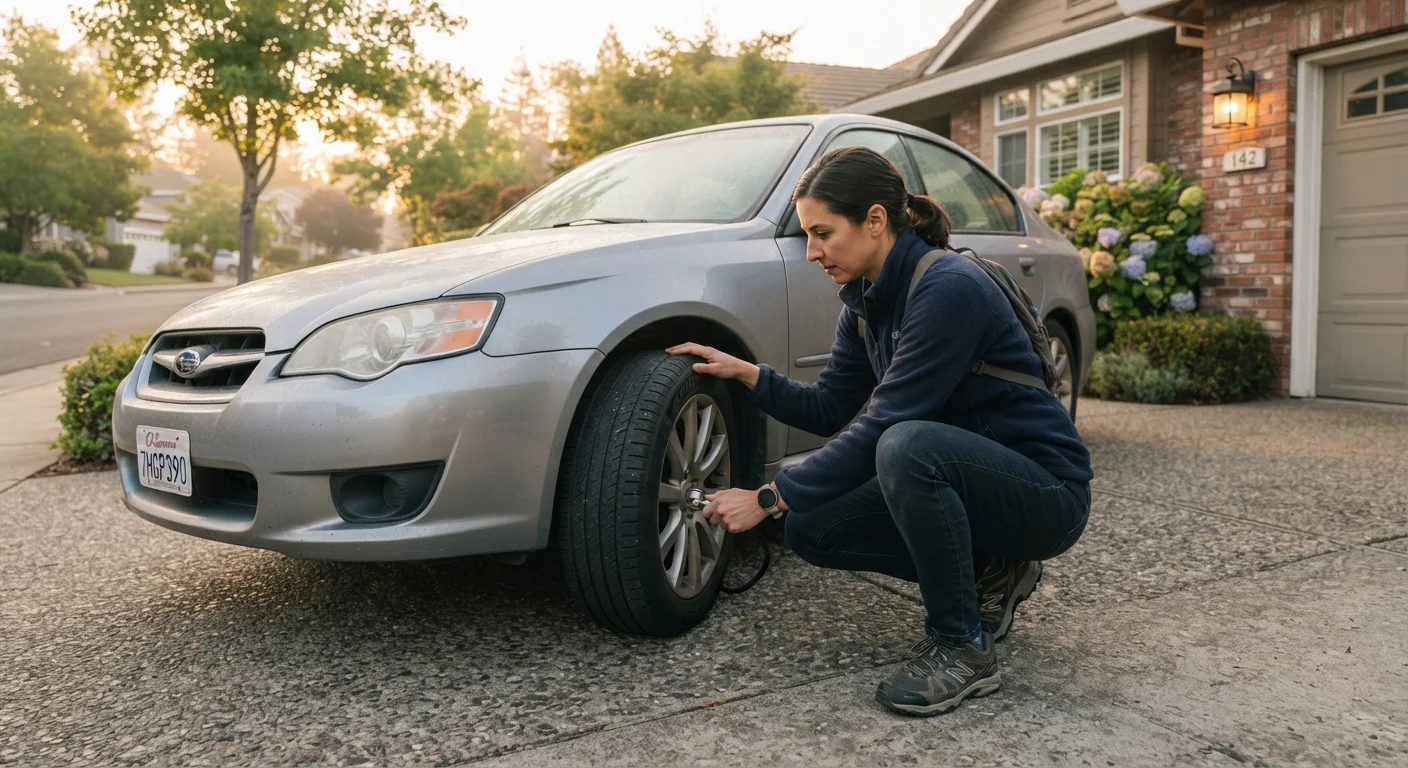
If your vehicle has sat for several days, run a more thorough check than usual. Tires can lose a pound or more of pressure per month under normal conditions, and the rate increases significantly in cold weather. Check underneath for any fluid that may have seeped while the vehicle was stationary, and listen for unusual sounds during the first few moments after startup.
This routine matters even more after your car has sat unused for several days or through a weather change. Tires lose pressure in cold air, and rodents have been known to nest in warm engine bays during extended parking periods. See our seasonal car maintenance guide for weather-specific considerations.
What to Check and Why It Matters
The checklist below is divided into two stages: the exterior walk-around you do before opening the door, and the in-cabin check you run after you're seated. Together they cover the most common sources of unplanned trouble.
Exterior Walk-Around
In-Cabin Check
Before Long Trips or Extended Parking
For the in-cabin portion, pay particular attention to your dashboard. If a warning light illuminates when you start the engine and doesn't clear within a few seconds, that's worth investigating before you drive. Our guide on reading dashboard warning lights walks through what each symbol means and how urgently it needs attention.
Never Ignore a Warning Light Before Driving
A dashboard warning light that stays on after the engine has fully started is your vehicle signaling a condition that needs attention. Some warnings - such as low oil pressure or brake system alerts - indicate it may be unsafe to drive at all. Do not assume a persistent light will resolve on its own. Have it diagnosed before making a routine trip.
Once you're moving, the habits you practice behind the wheel matter just as much as the condition of the vehicle. Smooth, attentive driving reduces both fuel consumption and collision risk - a natural extension of starting your drive prepared.
Tools That Make the Check Easier
You don't need much to run this checklist reliably. A few inexpensive items kept in your vehicle make the habit easier to maintain in any conditions.
Tire pressure gauge
Allows you to verify each tire's inflation level against the manufacturer's recommended PSI.
Flashlight or penlight
Helps you inspect under the vehicle and around tires in low-light conditions such as early mornings or garages.
Microfiber cloth
Useful for quickly clearing condensation or smudges from mirrors and windows before driving.
Ice scraper and snow brush
Essential for clearing windows and lights in winter conditions before the walk-around is complete.
Also worth noting: distraction doesn't start when you pick up your phone. It often begins before you leave the parking spot. Running a quick, deliberate check keeps your mind in the task of driving rather than the errands ahead. For more on managing attention behind the wheel, see phone-free driving habits.