

Key Takeaways
Hydration and Nutrition
Hydration refers to the body's fluid balance — keeping enough water in your cells and tissues for them to function properly. When we talk about hydration and nutrition together, we mean the way fluid intake directly influences how your body absorbs nutrients, regulates appetite, and sustains energy throughout the day. They are not separate systems; they are deeply intertwined.
Water acts as the primary transport medium for nutrients in the bloodstream and is essential for enzymatic digestion, cellular metabolism, and kidney filtration of waste products.
Why Hydration Is a Nutrition Issue, Not Just a Thirst Issue
Most people think of hydration and nutrition as separate concerns — one is about drinking enough, the other is about eating well. In practice, the two are inseparable. Water is the medium through which nutrients travel in your bloodstream, the solvent your digestive enzymes depend on, and the substance your kidneys use to flush metabolic waste. Without adequate fluid, your body cannot fully utilize the vitamins, minerals, and macronutrients you consume — no matter how balanced your meals are.
This matters in practical terms. If you eat a nutrient-dense meal but are mildly dehydrated, digestion slows, nutrient transport is less efficient, and you may feel sluggish or mentally foggy afterward. See our guide to post-meal energy crashes for more on why what and how you eat — including your fluid intake — shapes how you feel for hours afterward.
~60%
Proportion of the adult human body that is water
According to the U.S. Geological Survey and established physiology references, water makes up roughly 60% of the average adult body by weight, underscoring its role in virtually every bodily function.
1–2%
Body water deficit linked to impaired cognitive performance
Research published in nutrition and exercise science literature suggests that a body water deficit of as little as 1–2% can measurably affect mood, concentration, and perceived effort during tasks.
~20%
Daily fluid intake typically coming from food
The U.S. National Academies of Sciences, Engineering, and Medicine estimates that approximately 20% of daily water intake for most Americans comes from food rather than beverages.
The Hunger-Thirst Confusion: How Dehydration Affects Appetite
One of the most underappreciated links between hydration and nutrition is the overlap between hunger and thirst signals. The hypothalamus — the brain region that regulates both — can produce similar cues when either need goes unmet. As a result, many people reach for a snack when their body is actually signaling the need for fluid. This isn't a moral failing or lack of willpower; it's a physiological quirk that's easy to work with once you're aware of it.
A simple habit: when you notice hunger between meals, especially if it arrives quickly after eating, try drinking a glass of water first and waiting a few minutes. This isn't a guaranteed solution, but it's a low-cost step that helps you distinguish genuine appetite from mild dehydration. Pairing good hydration with consistent meal patterns — as explored in our practical guide to eating well on a busy schedule — supports more reliable hunger cues overall.
Use Meals as Hydration Anchors
Linking a glass of water to each meal is one of the most effective low-effort hydration habits. It distributes intake throughout the day, supports digestion, and helps your body distinguish hunger from thirst before you eat. You don't need to count ounces — consistent timing is the practical goal.
What You Drink Matters as Much as How Much You Drink
Fluid intake isn't just about volume — the composition of your beverages directly affects your nutritional picture. Sugar-sweetened drinks, for example, deliver calories without triggering the same fullness response as food of equivalent calorie content, largely because liquid calories bypass some of the satiety signals involved in chewing and digestion. Over time, regular consumption can quietly shift calorie balance in ways many people don't register. These are the kinds of subtle patterns that undermine good nutrition without you noticing.
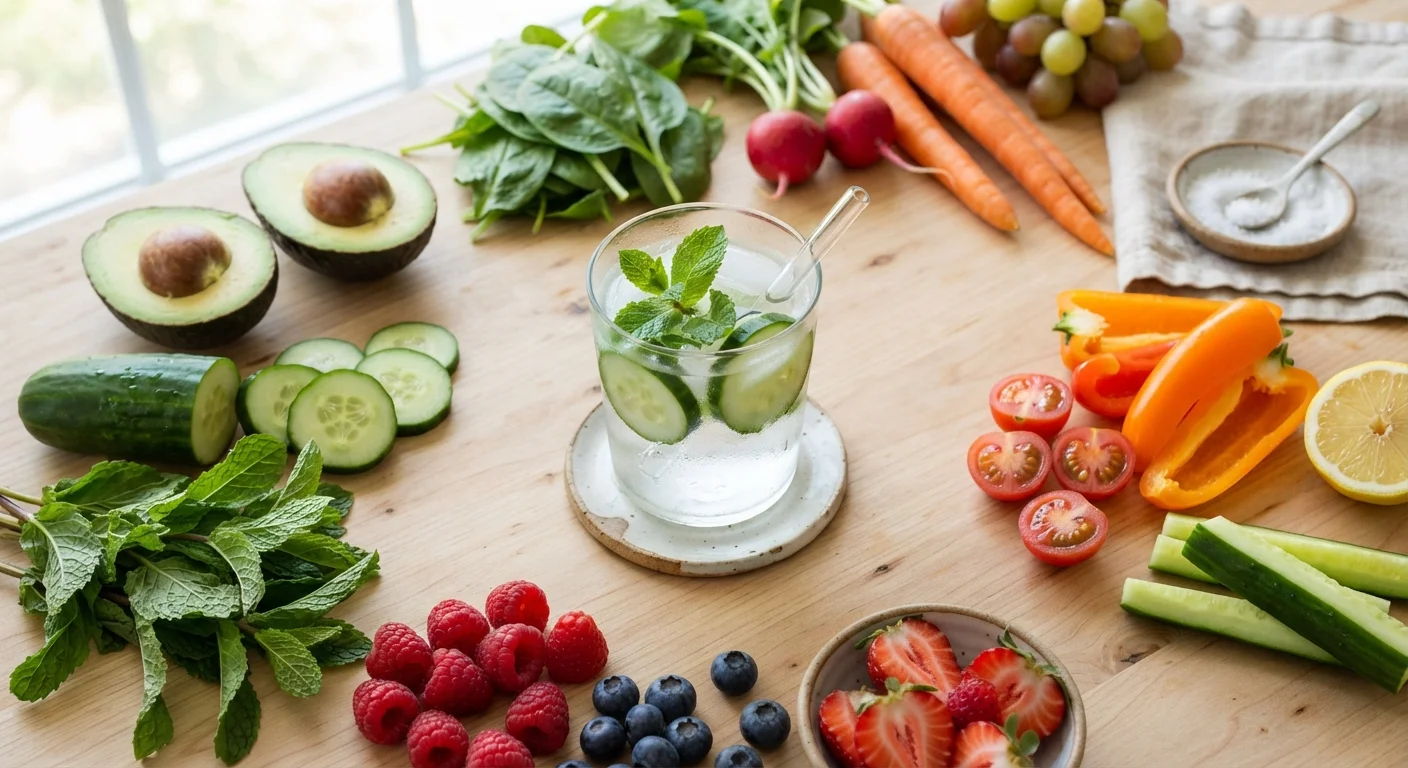
On the other hand, beverages like plain water, herbal teas, and broth-based soups contribute fluid without added sugars or excess calories. Foods with high water content — cucumbers, oranges, leafy greens, yogurt — also count meaningfully toward daily intake. This dietary overlap between eating and drinking is worth factoring into your overall approach to nutrition, including when you do a weekly nutrition self-check.
Fluid Needs Vary Significantly Between Individuals
General guidelines for daily fluid intake are averages, not universal targets. Factors including body weight, physical activity, ambient temperature, pregnancy, and certain health conditions all affect how much fluid a person needs. If you have a chronic health condition or take medications that affect fluid balance, speak with your healthcare provider before making significant changes to your intake.
Practical Hydration Habits That Support Better Nutrition
Building better hydration habits doesn't require tracking every ounce. Instead, focus on anchoring fluid intake to existing routines: a glass of water upon waking, one with each meal, and one mid-afternoon. These anchor points distribute intake across the day without demanding conscious effort. Thirst is generally a reliable guide for healthy adults under normal conditions, though older adults and people who are physically active in heat may need to drink ahead of thirst.
Certain nutrients interact directly with hydration status. Dietary fibre, for instance, requires adequate fluid to move smoothly through the digestive tract — without water, a high-fibre diet can actually contribute to constipation rather than relieve it. Our overview of dietary fibre explains the relationship in more detail. Similarly, water-soluble vitamins like B and C depend on fluid transport for delivery to tissues, reinforcing why hydration and micronutrient intake are best thought of as a system. For a broader look at how vitamins and minerals work, see our micronutrients reference guide.
This article is for general informational and educational purposes only and is not a substitute for professional medical advice. If you have questions about your individual fluid or nutritional needs, please consult a qualified healthcare professional.