

Key Takeaways
Why Living Through a Renovation Takes Its Own Kind of Planning
Staying in your home while contractors work around you is a genuine logistical challenge — and a different one from managing a renovation in an empty property. Daily routines collide with construction timelines. Dust, noise, and limited access to kitchens or bathrooms affect everyone in the household.
The good news is that with deliberate preparation, most homeowners can get through it without undue stress. The key is treating the disruption itself as something to plan for, not just tolerate. That means thinking carefully about how work will be sequenced, where the household will function during each phase, and how you'll communicate with the people doing the work. For a deeper look at sequencing trade work correctly, see our guide to bathroom renovation order.
Before Work Starts: Laying the Right Groundwork
The decisions you make before a single tool is lifted have an outsized effect on how smoothly the project runs. A few areas deserve particular attention:
- Scope and phasing: Break the project into clearly defined phases so at least part of your home remains fully functional at all times. Tackling one floor or one wing before moving to another is far more livable than whole-house disruption at once.
- Budget realism: Cost overruns are common. Our article on why renovation costs run over explains the most frequent causes. Build in a contingency — typically 15–20% of your total budget — before work begins.
- Permits and approvals: Confirm which permits are required for your specific work and jurisdiction. Structural, electrical, plumbing, and gas work commonly require licensed contractors and local authority sign-off. Skipping this step can create legal and insurance complications when you sell.
During the Build: Practices That Keep Daily Life Intact
Once work is underway, your role shifts to active coordination. The following approaches help homeowners stay in control:
It also helps to create a simple weekly check-in with your lead contractor — even a 10-minute conversation — to review progress, flag any issues, and confirm the plan for the coming week. This reduces the chance of surprises and keeps expectations aligned on both sides. If your project involves structural changes like wall removals, the real trade-offs of open-plan living is worth reading before that phase begins.
Protecting Your Health and Wellbeing During the Process
Construction environments produce real health hazards — fine dust, fumes from adhesives or paint, and elevated noise levels. These are manageable with sensible precautions:
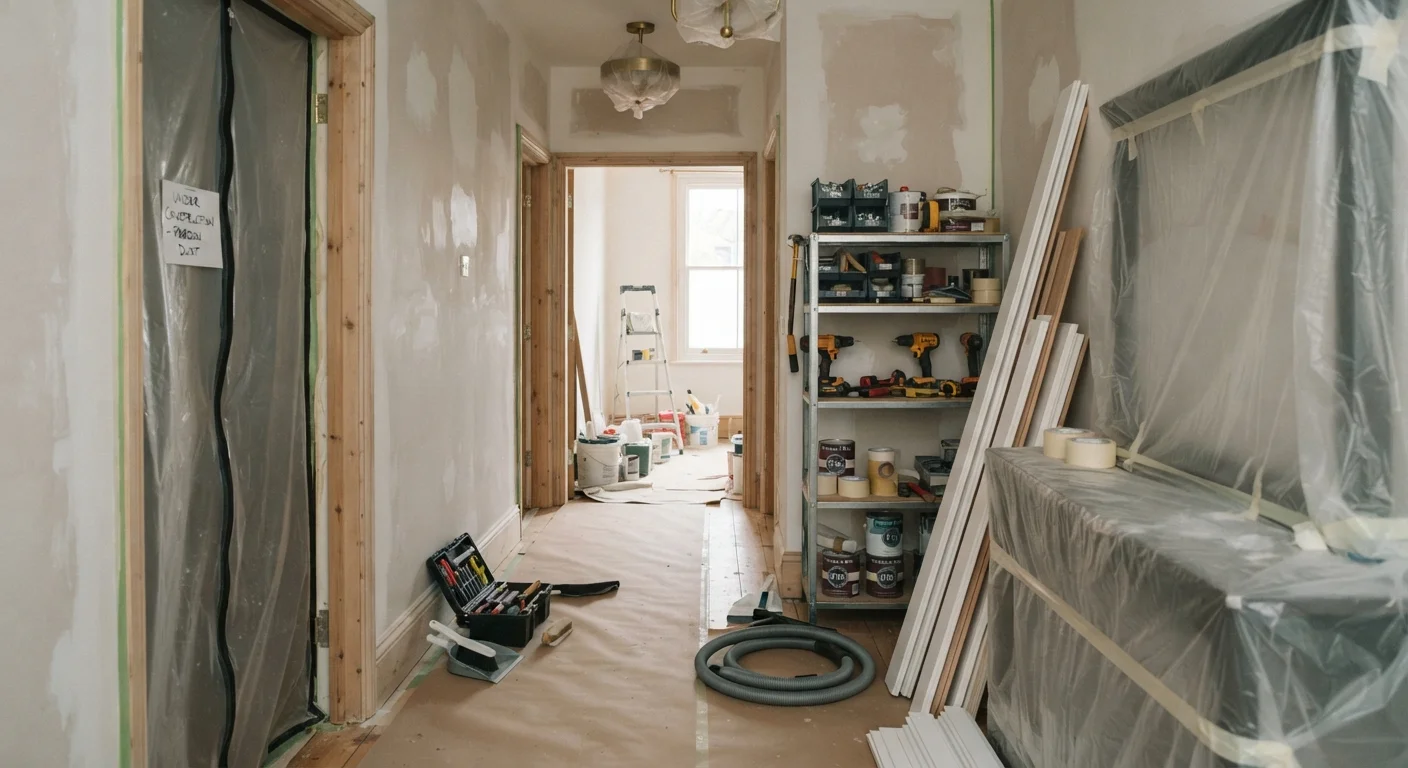
- Seal off work zones using heavy-duty plastic sheeting taped at doorframes. This significantly reduces dust migration into living areas.
- Ensure adequate ventilation in rooms where solvents, primers, or adhesives are being used. Open windows and run extraction fans where possible.
- If older properties are involved — particularly those built before the 1980s — ask your contractor about the risk of asbestos or lead paint before any demolition work begins. Disturbing these materials without proper precautions is a serious health risk requiring specialist handling.
- Protect hearing if you're spending extended time near high-noise tools. Casual exposure over several weeks adds up.
For households with young children, elderly residents, or anyone with respiratory conditions, consider whether temporary alternative accommodation is feasible during the most disruptive phases.
Keeping the Project Moving Without Burning Out
Renovation fatigue is real. Projects that run longer than expected — which is more common than not — test patience, relationships, and finances. A few habits help sustain momentum:
Document decisions as you make them. When your contractor offers a choice between materials or methods, write down what was agreed and why. This prevents disputes later and gives you a clear record if something needs revisiting.
Maintain a functioning "life zone" — a room or area of the house where the family can genuinely relax, away from the build. Protecting this space deliberately prevents the sense that your whole home has been taken over.
Finally, recognize that some delay or disruption is normal. Building in buffer time and keeping your expectations grounded in reality makes the process significantly less stressful. The habits that keep a home running with minimal effort can also help you stay on top of the rest of your property while your attention is focused on the renovation.