

Key Takeaways
Why Electrical Warning Signs Deserve Immediate Attention
Most homeowners are quick to notice a dripping faucet or a cracked window, but electrical warning signs are easy to dismiss or explain away. A light that flickers "only sometimes" or a breaker that trips "once in a while" can feel minor — until they aren't. Electrical faults are a leading contributor to residential fires in the US, and many of those fires trace back to conditions that showed early warning signs the homeowner didn't act on.
This article is not intended to help you diagnose or fix electrical problems yourself. Electrical work involving your home's wiring, panel, or circuits requires a licensed electrician and, in many jurisdictions, a permit and inspection. What this guide can do is help you recognize the symptoms that signal it's time to make that call — and understand why waiting rarely makes sense.
If your home is part of a broader seasonal maintenance routine, the Spring Home Inspection checklist is a useful companion resource. And for a broader view of when to call a professional vs. handling a task yourself, see our guide on DIY vs. hiring a tradesperson.
Lights that flicker or dim unexpectedly
Occasional flickering when a major appliance starts up — like a refrigerator or air conditioner — can be a normal voltage fluctuation. But persistent flickering, dimming that affects multiple rooms, or lights that dim when you plug something in elsewhere in the house may point to a more serious issue: loose wiring connections, an overloaded circuit, or a failing main panel. A licensed electrician can measure voltage stability and trace the cause safely.
Persistent flickering across multiple rooms can signal loose connections or an overloaded circuit — not just a bad bulb.
Circuit breakers that trip frequently
Breakers are designed to trip — that's their job. But a breaker that trips repeatedly under normal household loads isn't working as intended; it's telling you the circuit is consistently drawing more current than it's rated for. This can result from too many devices on one circuit, a failing breaker, or wiring that's deteriorating. Repeatedly resetting a tripping breaker without investigating the cause can mask a genuine safety hazard.
A breaker that trips repeatedly under normal loads is signaling a problem, not just an inconvenience.
Burning smells or discolored outlets and switch plates
A burning or acrid smell near an outlet, switch plate, or your electrical panel is a serious red flag. Discoloration — yellowing, scorching, or black marks around outlet covers — indicates heat buildup that has already occurred. Both symptoms suggest arcing, loose connections, or overloaded wiring. If you notice either, stop using the affected outlet and contact a licensed electrician promptly. Do not attempt to inspect inside the outlet yourself.
Scorched outlet covers or burning smells are signs that heat damage has already occurred inside your walls.
Outlets or switches that feel warm to the touch
A properly functioning outlet or switch should not generate noticeable heat. Warmth — or worse, a buzzing or crackling sound from a switch — can indicate an overloaded circuit, deteriorating insulation, or an improperly wired device. The exception is dimmer switches, which can produce mild warmth; even so, anything beyond slightly warm deserves attention. An electrician can open the box safely and identify whether the issue is localized or systemic.
Warm outlets or crackling switches are not normal — they point to underlying wiring issues that need professional eyes.
An older home with original wiring
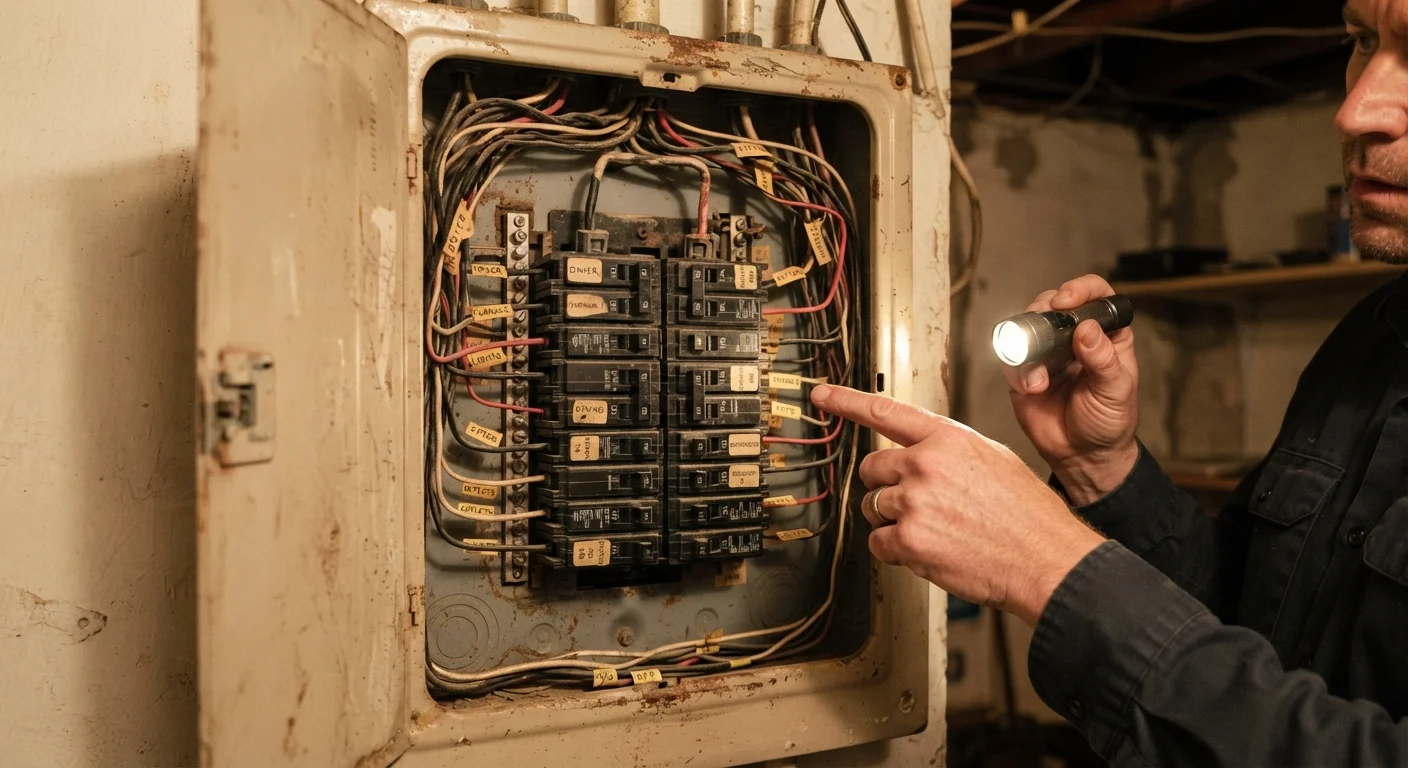
If your home was built before 1980, it's worth knowing what wiring system is behind your walls. Knob-and-tube wiring (common before the 1950s) and aluminum branch circuit wiring (used in many homes built in the 1960s and 70s) both carry elevated risk profiles compared to modern copper wiring and may not meet current code — particularly in circuits serving kitchens, bathrooms, and bedrooms. An electrician can identify your wiring type and advise on any action required. This doesn't automatically mean a full rewire, but it does mean you should know what you have.
Homes built before 1980 may have wiring types that carry elevated risks and no longer meet modern safety codes.
Sparks when plugging in devices
A brief, tiny spark when plugging in a device is generally the result of normal arc-fault as current begins to flow — usually not a concern. But a large, audible, or sustained spark is not normal and should be taken seriously. Sparking can indicate a loose connection within the outlet, moisture infiltration, or wiring that's degraded to the point of arcing. An electrician should inspect any outlet that produces noticeable sparking before it's used again.
A large or sustained spark when plugging in a device means that outlet should not be used until an electrician inspects it.
Reliance on extension cords and power strips throughout the home
Extension cords and power strips are fine as temporary solutions, but if your household depends on them permanently to meet everyday electrical demand, that's a signal your home doesn't have enough circuits or outlets to handle modern usage. Running high-draw appliances through extension cords is a fire risk. An electrician can assess whether additional circuits or outlets are needed — and where they should be located to meet code.
Permanent reliance on extension cords suggests your home's circuits aren't keeping up with modern electrical demands.
What to Expect From a Professional Electrical Assessment
A licensed electrician performing a home electrical assessment will typically inspect your main panel, wiring type, grounding, outlets, and circuit load. They may use diagnostic tools to check for irregular voltage, loose connections, or overloaded circuits. If your home has older wiring systems — such as knob-and-tube or aluminum branch wiring — they can advise on whether upgrades are warranted and what current code requires in your area.
Keep a simple log of electrical events
Before your electrician visits, jot down when and where you've noticed each symptom — which room, what time of day, and what was running at the time. This kind of detail helps a professional narrow down the cause much faster. Even a few notes on your phone can make a meaningful difference in diagnostic time.
It's worth noting that electrical codes and permit requirements vary by state and municipality. Always verify what's required locally before any work begins. Your electrician should be familiar with your area's regulations and should pull any necessary permits on your behalf.
If you're also watching for other household warning signs, plumbing warning signs follow a similar pattern — subtle symptoms that escalate quickly when ignored. Addressing both systems proactively is one of the most cost-conscious things a homeowner can do.