

Key Takeaways
Civil Unrest & Political Instability (Travel Context)
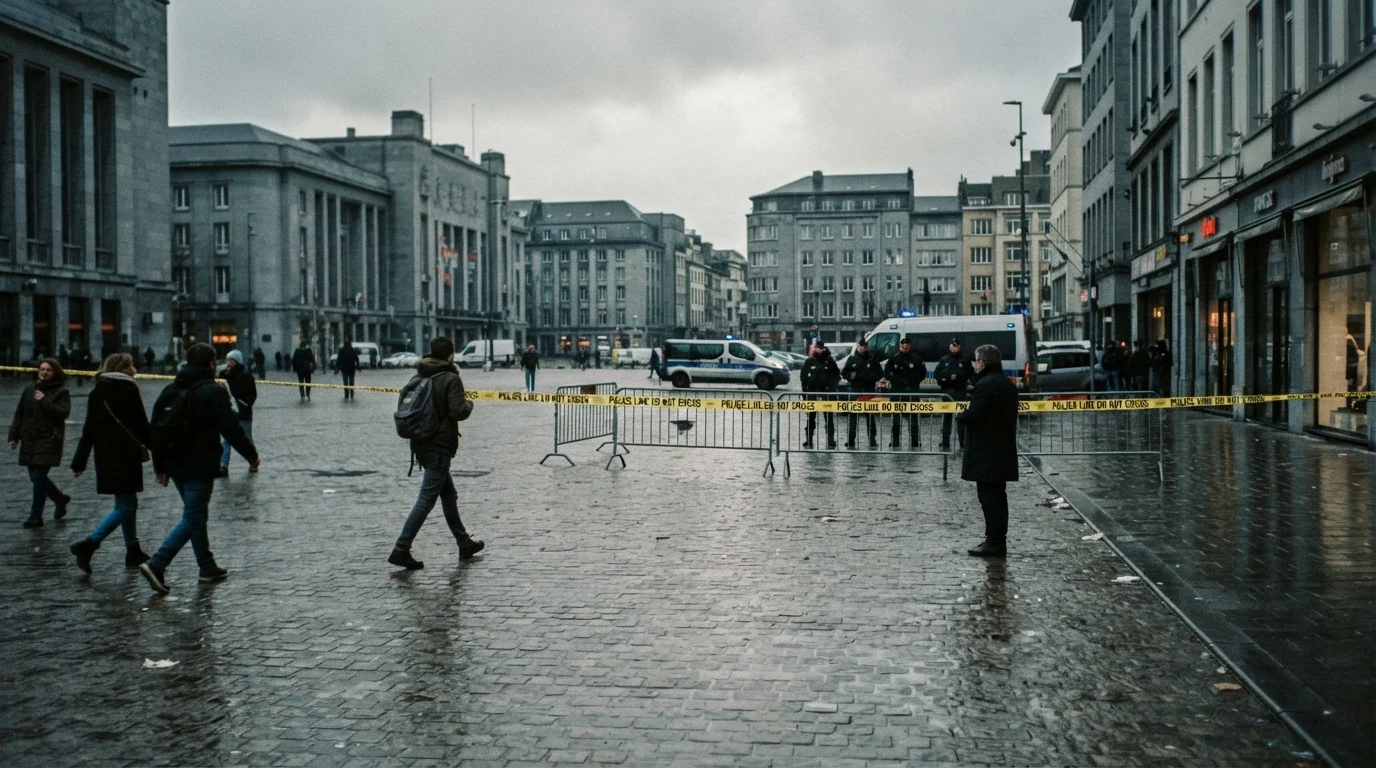
Civil unrest refers to public disruptions — such as protests, strikes, riots, or demonstrations — that can affect movement, safety, and access to services in a destination. Political instability describes a broader condition in which a government's authority or legitimacy is contested, creating unpredictable conditions for anyone present. For travelers, both situations can change rapidly and without warning, making advance awareness and flexible planning essential.
Government travel advisories use tiered warning systems to classify these risks. Levels typically range from general awareness to 'do not travel' directives, each carrying distinct implications for entry, insurance, and emergency consular support.
Why Political Conditions Matter to Every Traveler
Most travelers think about political instability only when headlines force the issue — but by then, options narrow quickly. Understanding how civil unrest and political instability affect travel before a situation develops is what separates prepared travelers from stranded ones.
Political conditions affect far more than physical safety. They determine whether airports stay open, whether local transportation operates, whether businesses and medical facilities remain accessible, and whether your government can provide consular assistance. A country that looks stable on a booking site may carry advisory warnings that reflect a different ground reality.
For a fuller foundation of international travel safety principles, see our guide for first-time international travelers. Understanding where political risk fits within the broader safety landscape helps you weigh decisions proportionally rather than reactively.
~80%
Countries with at least a Level 1 advisory
The U.S. State Department issues advisories for virtually every country; the vast majority carry at least a baseline Level 1 caution, underscoring how routine advisory-checking should be.
Level 4
Highest State Dept. advisory — 'Do Not Travel'
Fewer than 20 countries typically hold a Level 4 designation at any given time, representing the most severe risk assessments including active armed conflict or extreme civil unrest.
72 hrs
Typical window for rapid situation escalation
Travel security analysts commonly note that political situations can shift from routine tension to significant disruption within 48–72 hours, reinforcing the need for real-time monitoring.
Reading and Using Official Travel Advisories
The U.S. Department of State issues travel advisories for every country in the world, rated on a four-level scale: Level 1 (Exercise Normal Precautions) through Level 4 (Do Not Travel). These levels reflect a range of factors — crime, terrorism, health risks, and civil unrest among them.
It is important to understand what advisories signal and what they don't. A Level 3 advisory doesn't automatically mean your trip is impossible or that every part of a country is equally dangerous. Advisories often contain region-specific notes that distinguish a stable capital city from a troubled border region. Learn how to read each advisory level accurately so you can apply the information to your specific itinerary rather than treat the whole country as a single risk unit.
In addition to U.S. advisories, cross-reference those issued by the U.K. Foreign Commonwealth & Development Office or Global Affairs Canada — different governments sometimes rate conditions differently, which can add useful context.
Set Up STEP Before Every International Trip
The State Department's Smart Traveler Enrollment Program (STEP) is free, takes under five minutes, and sends destination-specific alerts directly to your email. It also gives the nearest U.S. embassy or consulate a way to reach you in an emergency. Enroll at step.state.gov before your next international departure — it's one of the highest-value, lowest-effort safety habits a traveler can build.
Monitoring Conditions Before and During Travel
Advisory levels are updated periodically, not in real time. For fast-moving situations, you need supplementary monitoring habits.
- Enroll in STEP: The Smart Traveler Enrollment Program (STEP) from the State Department sends alerts directly to your inbox and helps the embassy locate you in an emergency. Registration is free.
- Follow local and international news: On-the-ground reporting from local journalists often reflects conditions faster than advisory updates. Identify credible local news outlets before you arrive.
- Check social media selectively: Residents and journalists often post real-time conditions on public social platforms, but verify before acting on anything you see.
- Talk to your hotel or host: Local contacts with current knowledge are invaluable. Ask directly whether any areas or events should be avoided during your stay.
Situational awareness doesn't end when the plane lands. Our article on staying safer in unfamiliar cities provides practical habits for maintaining awareness throughout your trip.
Practical Steps to Reduce Your Risk
Awareness without action provides only limited protection. If you're traveling to or through an area with elevated political risk, these measures meaningfully reduce your exposure:
- Avoid protests and large public gatherings — even demonstrations that begin peacefully can shift unpredictably. This applies to both planned events and spontaneous crowds.
- Stay away from government buildings, embassies, and military installations — these are frequent focal points during periods of unrest.
- Keep a low profile — minimize visible markers of foreign nationality, avoid loud conversations about local politics in public, and dress to blend in where appropriate.
- Know your exits — identify multiple routes out of your accommodation and out of the destination. Know where the nearest airport, land border, or port is and how to reach it.
- Maintain communication ability — keep a charged phone, a backup power source, and local emergency numbers saved offline. Know the location of your country's nearest embassy or consulate.
For a comprehensive list of documents and contacts to have ready, see our emergency contacts and documents guide.
Planning Flexibly and Protecting Your Investment
One of the most practical things you can do before traveling to any politically uncertain destination is to build flexibility into your bookings and understand your insurance coverage before an incident occurs — not after.
Look for refundable or changeable flight and hotel bookings where possible. If your insurer offers a political unrest or 'cancel for any reason' clause, understand precisely what it covers and what documentation you would need to file a claim. If unrest develops after your departure, knowing how to handle flight disruptions becomes immediately relevant.
Travelers who plan for disruption before it happens face far less financial and logistical stress when situations change. The goal isn't to avoid all risk — that's impossible — but to make informed decisions and preserve your ability to adapt.
Civil Unrest vs. Natural Disasters: Different Risk Profiles
Civil unrest and natural disasters both require contingency planning, but they behave differently and demand distinct responses. Political situations often involve human actors whose behavior can be partially anticipated; natural events are sudden and geophysical. If your destination faces both types of risk, treat each with its own preparedness checklist. Our guide to natural disasters abroad covers the latter in detail.
This article provides general informational guidance for educational purposes. Travel conditions vary widely and change rapidly. Always verify current advisory levels, entry requirements, and safety conditions through official government sources before and during travel. The information here does not substitute for professional travel security advice or government guidance specific to your itinerary.