

Key Takeaways
Why Petty Crime Is So Consistently Underestimated
Most travelers are more worried about dramatic threats — scams, muggings, or unsafe neighborhoods — than the mundane reality of having a phone lifted from a jacket pocket at a metro turnstile. Petty theft is unglamorous, and because it rarely makes headlines, its frequency is easy to dismiss.
The problem is compounded by survivorship bias: travelers who return home without incident assume their precautions worked, reinforcing habits that may simply have gotten lucky. Meanwhile, those who are targeted often feel embarrassed and skip reporting — a pattern so common that it meaningfully distorts crime statistics.
~74%
Petty theft goes unreported by travelers
Research by the European Travel Commission and various tourism safety bodies consistently finds that the majority of tourist-targeted theft is never officially reported, skewing public perception of actual risk levels.
Top 3
Most common travel crime worldwide
Pickpocketing, bag snatching, and distraction theft consistently rank among the most frequently reported crimes against international tourists, according to Interpol and national tourism police units.
Understanding that petty theft is structured, practiced, and predictable — not random — is the first step toward addressing it usefully. Thieves operating in tourist zones typically exploit distraction, crowd cover, and travelers' unfamiliarity with local environments. See our overview of common travel safety myths for a broader look at beliefs that create false confidence.
The Mistakes That Leave Travelers Exposed
Most vulnerability to petty theft isn't a matter of bad luck — it's a predictable result of habits that feel reasonable but fall apart under real conditions. The following mistakes are among the most common, and each has a practical corrective.
Keeping all valuables in one place — typically a single wallet or bag — throughout the entire trip.
Why it happens: It's convenient and mirrors how most people manage finances at home, where the risk environment is familiar and predictable.
Assuming a money belt makes you effectively theft-proof.
Why it happens: Money belts are widely marketed as the definitive solution, giving travelers a false sense of having solved the problem once purchased.
Leaving bags unattended or loosely placed on chair backs, café floors, or overhead bins.
Why it happens: Travelers relax in familiar-feeling environments — a busy café or train car feels safe — and lower their guard when seated.
Overlooking destination-specific theft tactics and treating all travel risks as generic.
Why it happens: General travel safety advice is broad by necessity, but skilled local thieves use highly context-specific methods — staged distractions, fake petitions, or crowded entry points — that generic advice doesn't address.
Signaling tourist status through visible gear, maps, or distracted phone navigation in high-risk areas.
Why it happens: Navigating an unfamiliar city naturally demands attention to screens and signage, and travelers rarely consider how this affects their visible vulnerability.
Tourist Areas Are Not Automatically Safer
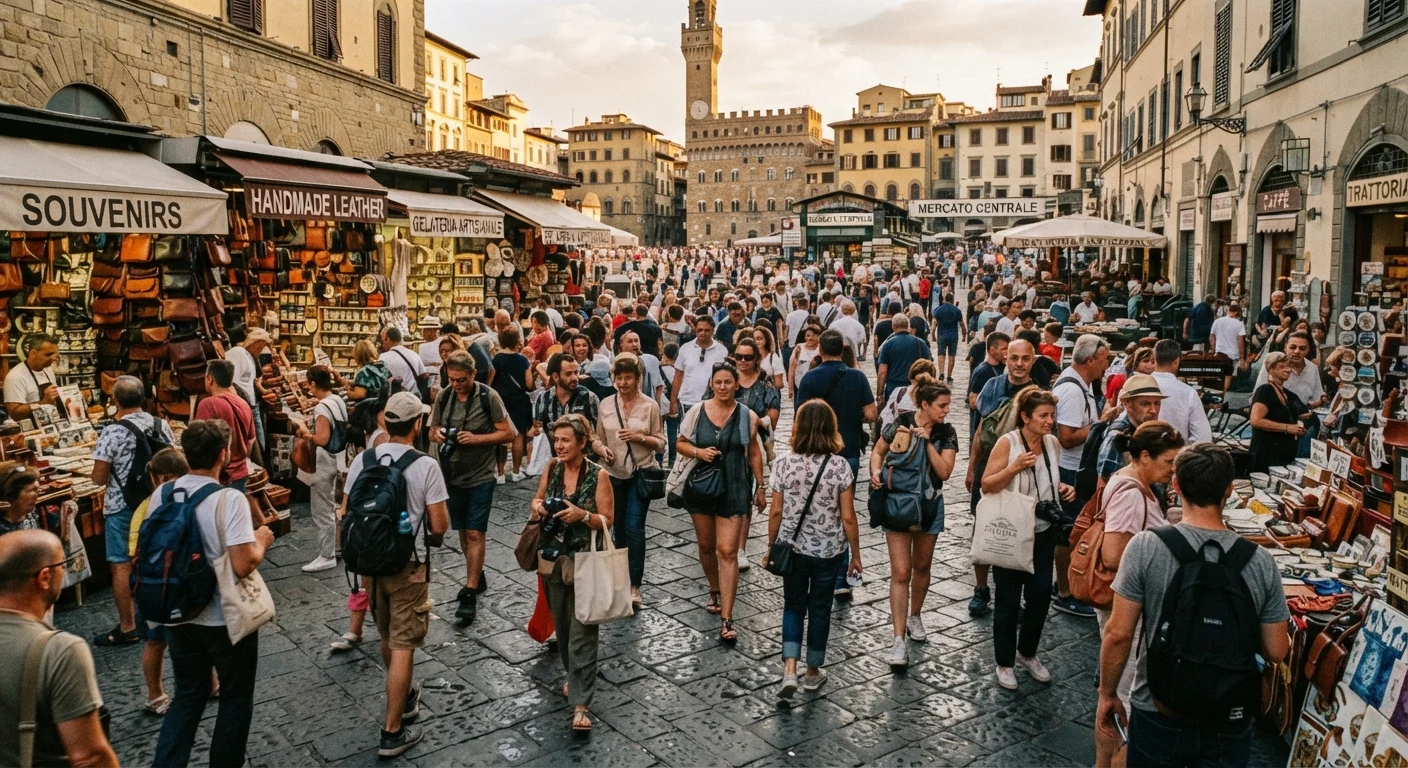
High-traffic attractions, transit hubs, and restaurant strips draw opportunistic thieves precisely because tourists are distracted, unfamiliar with their surroundings, and often carrying valuables. Feeling surrounded by other visitors does not mean you are in a low-risk environment. Stay alert regardless of how popular or well-lit a location appears.
Travelers who combine multiple improvements — splitting valuables, researching destination-specific tactics, and maintaining active situational awareness — reduce their risk profile substantially more than those who rely on any single measure. Our companion guide on situational awareness while traveling covers the behavioral habits that make the biggest practical difference.
Building a Smarter Personal Security Routine
Effective protection against petty theft is less about gear and more about consistent, low-effort habits applied throughout a trip. A few principles that travel safety professionals consistently emphasize:
- Conduct a daily valuables audit. Each morning, decide what you actually need to carry and leave the rest locked away. The less you carry, the less you can lose.
- Use bags designed with security features. Slash-resistant straps, locking zippers, and RFID-blocking compartments add meaningful friction without requiring constant vigilance.
- Establish a recovery protocol before you leave home. Know your bank's international card-cancellation number, keep digital copies of key documents in secure cloud storage, and verify what your travel insurance actually covers.
Report Theft Even When It Feels Pointless
Many travelers skip filing a police report after a theft, assuming nothing will come of it. However, a report is typically required to file a travel insurance claim and can assist local authorities in tracking repeat offenders. Always file a report at the nearest police station or via official online systems, and request a copy for your records.
Solo travelers face particular considerations when managing these risks without a companion to watch bags or provide a second perspective. The solo travel safety guide addresses these scenarios directly. And if digital security is also a concern — a closely related risk — see our article on protecting your devices and data abroad.
Preparation and habit, not anxiety, are what separate travelers who navigate these risks confidently from those who don't. Arriving informed is always the better starting point.