

Key Takeaways
Wall Damp
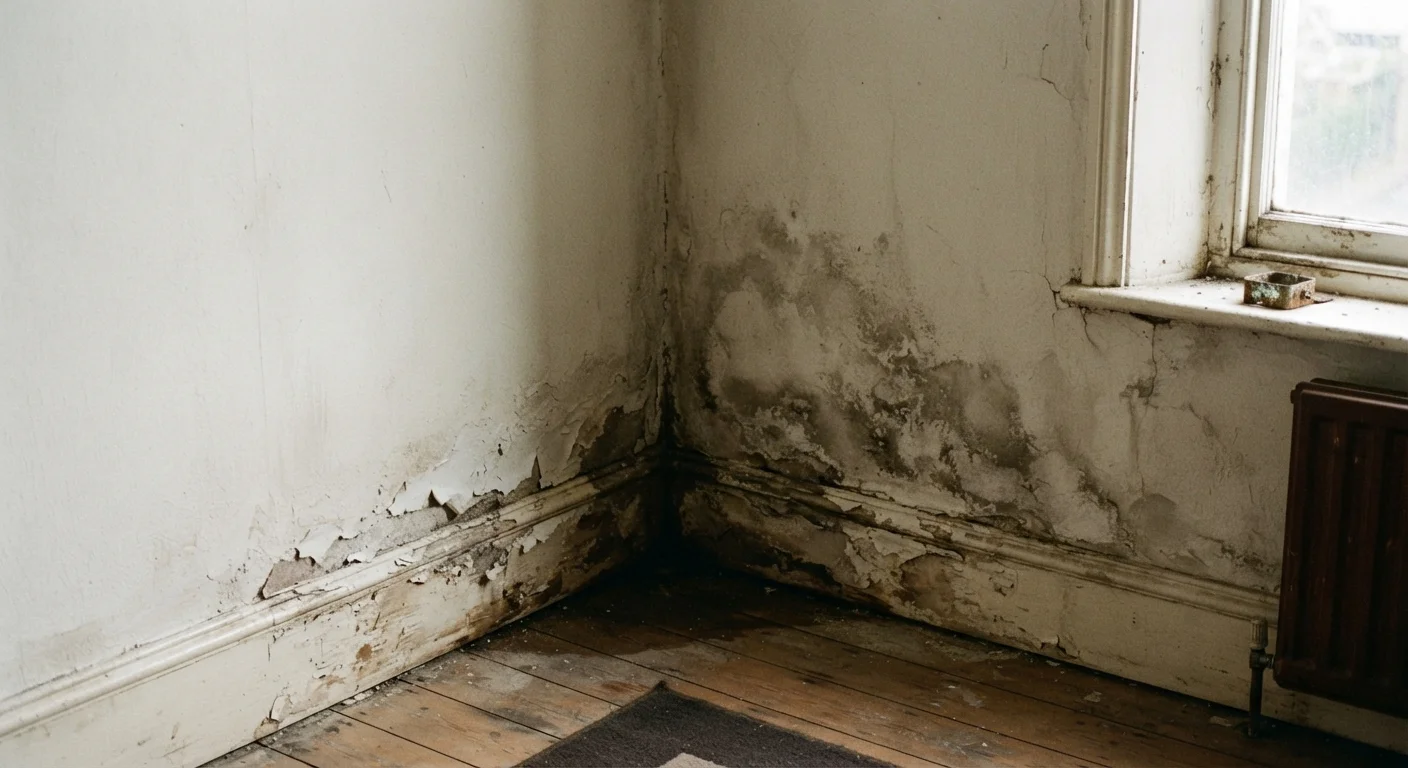
Wall damp is moisture that has entered or accumulated within a wall structure, causing visible staining, peeling paint, or mold growth. It is not a single problem — it is a symptom that can stem from condensation, water rising from the ground, or rain penetrating from outside. Identifying which type you have is essential before any repair work begins.
Each damp type has a distinct moisture pathway: capillary action drives rising damp, vapor pressure drives condensation, and hydrostatic or wind-driven pressure drives penetrating damp — so treatments are not interchangeable.
Why Damp Looks the Same but Isn't
A damp patch on an interior wall triggers immediate concern — and rightly so. But the instinct to treat the symptom before understanding the cause is where many homeowners go wrong. Damp walls are a messenger, not the problem itself, and the message changes depending on where moisture is coming from.
There are three primary types of wall damp: condensation, rising damp, and penetrating damp. Each follows a different pathway into your home and demands a different response. Getting that diagnosis right is the foundation of any effective repair. For homeowners just getting familiar with how their house works, our first-time homeowner maintenance guide provides useful background on reading warning signs early.
When Damp and Plumbing Overlap
Not all wall moisture comes from outside or from ground sources. Leaking pipes concealed within or behind walls can produce damp patches that resemble penetrating damp. If the staining doesn't correlate with rainfall and appears near a bathroom, kitchen, or radiator pipe run, a plumbing check is a sensible early step.
Condensation: The Most Common Culprit
Condensation occurs when warm, moisture-laden air meets a cold surface — a wall, window frame, or exterior-facing corner — and deposits water. It is especially prevalent in kitchens, bathrooms, and bedrooms during winter months.
Signs that point to condensation include:
- Black mold in corners, especially at ceiling level or around window reveals
- Moisture on window glass each morning
- Damp that worsens after cooking, bathing, or drying clothes indoors
- No clear tide mark or salt deposits on the wall surface
The fix is almost always about reducing moisture in the air and improving airflow. Extractor fans, improved insulation, and consistent background heating in cold weather all help. Our guide to home insulation explains how wall and roof insulation reduces cold surface temperatures that make condensation worse.
A Simple Condensation Test
Tape a piece of aluminum foil flat against the damp wall, sealing all four edges, and leave it for 24–48 hours. If moisture forms on the outer (room-facing) surface, the problem is condensation from indoor air. If moisture forms behind the foil, between it and the wall, moisture is coming from within the wall itself — suggesting rising or penetrating damp. This is a useful first indicator, not a definitive diagnosis.
Rising Damp: Groundwater on the Move
Rising damp occurs when groundwater is drawn upward through masonry by capillary action — essentially, the wall absorbs moisture from the soil below. It is more common in older homes or buildings where the damp-proof course (a horizontal moisture barrier built into the wall) has failed, was poorly installed, or is absent entirely.
Key indicators include:
- Damp concentrated at the base of walls, rarely rising above one meter
- A visible horizontal tide mark or staining at a consistent height
- White, powdery salt deposits (called efflorescence) on the wall surface
- Peeling wallpaper or paint starting at skirting board level
~1 meter
Maximum height rising damp typically reaches
Rising damp is constrained by the limits of capillary action in masonry; damp appearing above this height usually indicates a different source.
70%+
Of UK damp cases attributed to condensation
Industry surveys from damp specialists consistently show condensation as the most frequently diagnosed form of household damp.
Because rising damp involves the structure of the wall, repairs typically require professional input — often the installation or repair of a chemical damp-proof course. DIY cosmetic fixes won't resolve the underlying moisture source. Ignoring it, however, carries real consequences, as explored in our article on what happens when maintenance is deferred.
Penetrating Damp: When the Building Envelope Fails
Penetrating damp happens when water enters through an external defect — cracked render, damaged pointing, failing window seals, or blocked or broken guttering that allows water to run down the wall face. Unlike rising damp, it can appear at any height and often tracks inward horizontally rather than upward.
Look for these patterns:
- Damp patches that appear or worsen specifically during or after rainfall
- Staining that follows the line of a window, roof junction, or wall crack
- Damp on upper floors or near chimneys where rising damp cannot reach
The remedy starts outside the house. Inspecting gutters, downspouts, flashings, and external render for defects is the first step. Some causes overlap with plumbing — plumbing warning signs can sometimes mimic penetrating damp when pipes run inside or adjacent to walls.
“The most expensive damp repair is usually the one that followed the wrong diagnosis. Knowing which type of damp you have isn't a detail — it's the whole job.”
— Building Pathology Specialist, Chartered surveyor specializing in moisture and building defects
Getting the Diagnosis Right Before Spending Anything
A qualified damp surveyor can distinguish between these types using moisture meters, thermal imaging, and visual inspection. This step is worth the cost before committing to any treatment, because the remedies are not interchangeable — a damp-proof course injection does nothing for a condensation problem, and improved ventilation won't stop water entering through a cracked lintel.
For older properties especially, the picture can be more complicated. Our article on damp in older homes examines how historic building materials and construction methods affect diagnosis and treatment choices.
Whatever the source, the core principle holds: damp is easier and less expensive to address early. Understanding what your walls are telling you — rather than simply painting over the signal — is the most cost-effective approach any homeowner can take.